How to Grow and Care for African Violets
 Written by
Flowers
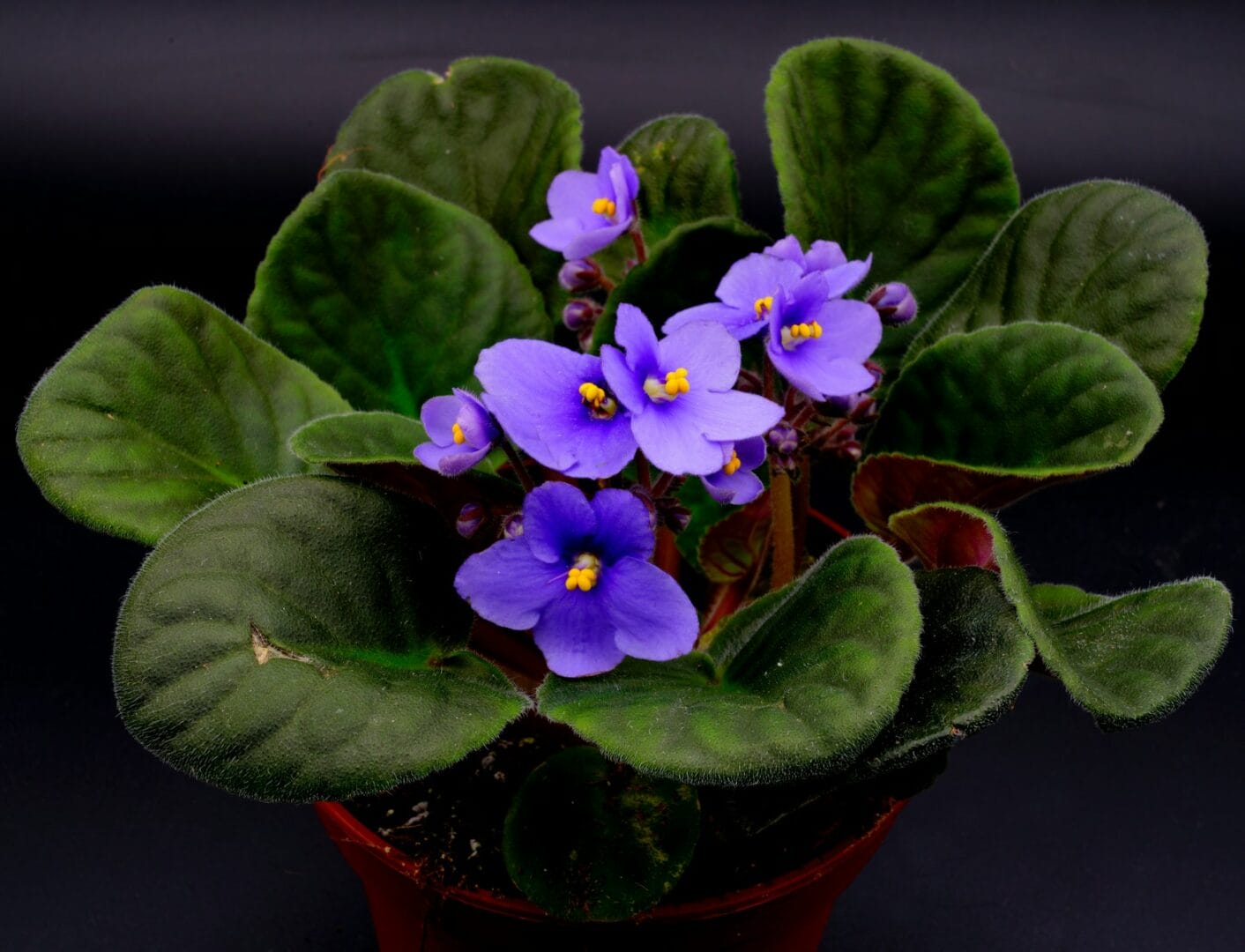
Now, I have tried growing African violets before, and I have to admit, it didn’t exactly go well. It wasn’t because I am some sort of evil violet slayer. They never seemed to thrive for me. The truth is, African violets have always looked so dainty and fragile that I’ve been a little intimidated by them. And for good reason, because they are dainty and fragile. It’s not that I scare the violets. They scare me. Truly, that is no way to live.
So I did what I usually do when a plant gets the better of me. I started researching.
What I discovered surprised me. African violets are indeed just as delicate as I had imagined. They have many preferences, and they will absolutely let you know when something isn’t quite right. Still, once you understand what they like, they can reward you with beautiful blooms for years. If you’ve ever admired these cheerful little flowers but felt too nervous to bring one home, let’s learn together.
Why African Violets Have a Reputation for Being Difficult
I think African violets have been misunderstood for years.
They have soft, fuzzy leaves and delicate little flowers that make them look like they belong in a greenhouse where someone whispers encouraging words to them every morning. They are actually fairly forgiving once you understand a few basic rules.
Most problems happen because we treat them like every other houseplant. African violets like consistency. They appreciate bright light, evenly moist soil, and comfortable temperatures. Give them those things, and they will often bloom for months at a time.
Can You Grow African Violets Outside?
This was probably the biggest surprise I found while researching African violet care. In the ground? No. Never. They must live in a controlled environment. In the ground, they would get root rot. But potted outside, yes… but under very special circumstances. You have to live in the perfect climate, always between 65 and 75 degrees.
African violets can grow outdoors year-round in warm climates like parts of Southern California, but they are much pickier about where their pot can sit than many other flowering plants. They love bright shade, mild temperatures, and protection from harsh afternoon sun, or actually any sun. Think of the conditions beneath a tree canopy or along the east side of your home where they receive gentle morning light and afternoon shade.
That’s really the secret. It isn’t just about your growing zone. It’s about finding the right microclimate.
If you decide to try growing African violets outside, keep them in a pot to get them used to being outdoors, and make sure to keep them in a location that offers:
- Bright, indirect light or filtered sunshine.
- Protection from the hot afternoon sun.
- Rich, well-draining soil that stays evenly moist.
- Shelter from strong winds and cold temperatures.
- A spot that doesn’t collect standing water after rain or watering.
If you’re not sure whether your yard has the right conditions for potted African Violets, start with one inexpensive plant instead of filling an entire flower bed. Watch how it performs for a season before adding more. Sometimes the best gardening lessons come from a little experimenting.
Seeing those cheerful little flowers thriving in someone else’s garden completely changed the way I looked at African violets. Instead of thinking they were impossible to grow, I realized they simply wanted the right place to call home. For my home, this remains inside in a small pot and is moved from one shady windowsill to another. Yes, it’s true, I gave up on the outdoor struggle.
The Secret to Happy African Violets
Give Them Bright, Indirect Light And Plan On Keeping Them Inside
Light is the biggest factor in getting African violets to bloom.
An east-facing window is often perfect because it provides gentle morning sunshine. Bright, north-facing windows can also work well. If your only option is a south- or west-facing window, use a sheer curtain to soften the afternoon sun.
Too much direct sunlight can scorch the leaves. Too little light usually means lots of healthy leaves but very few flowers.
Water Carefully
This is where many of us get nervous.
African violets like moist soil, but they absolutely do not like sitting in water.
Water whenever the top inch of soil feels dry. Use room temperature water because very cold water can shock the roots.
One tip I found especially interesting is that many gardeners water African violets from the bottom. As a rule, I typically place the pot in a shallow dish of water for about twenty minutes, then remove it and let it drain. This is my rule for my indoor plants, all of them. This allows the roots to drink without soaking the fuzzy leaves.
Skip the Oversized Pot
This surprised me too.
African violets bloom better when they are snug in their pots. A container that is too large encourages the plant to grow roots and leaves instead of flowers.
Choose a pot with good drainage that is only slightly larger than the root ball.
Use the Right Soil
Regular garden soil is much too heavy.
African violets grow best in a light, airy potting mix that drains well, but can still hold enough moisture around the roots.
Many garden centers sell potting mixes made specifically for African violets, and they are worth using. If they don’t, then rely on Sphagnum Peat Moss, Perlite, and Vermiculite. Combine equal parts, mix up with warm water until damp (not wet), and put into their nice, snug pot. But be careful not to shock their roots.
Feed Them Regularly
Because African violets bloom so often, they appreciate regular feeding.
Use a fertilizer formulated for flowering houseplants. I would suggest every 2 to 4 weeks during active growth. Follow the package directions carefully because too much fertilizer can be just as harmful as too little.
Keep Your African Violet Looking Its Best
One thing I hadn’t thought about before researching this article is that a little routine maintenance goes a long way.
Remove faded flowers as they finish blooming. This encourages the plant to spend its energy producing new blossoms instead of making seeds.
If older leaves begin to yellow or look damaged, gently remove them to keep the plant neat and improve air circulation.
Every year or so, refresh the potting mix and repot if the roots have outgrown the container.
Common African Violet Problems
Even healthy plants can run into trouble from time to time.
Your Plant Won’t Bloom
Usually, this comes down to one of four things:
- Not enough light
- Too much nitrogen fertilizer
- A pot that is too large
- Inconsistent watering
Leaves Have Brown Spots
Cold water splashed onto the fuzzy leaves is often the culprit.
Always use room temperature water and avoid wetting the foliage whenever possible.
Leaves Turn Yellow
Yellow leaves can be caused by overwatering, poor drainage, old age, or too much direct sunlight.
Take a close look at where your plant sits and how often you’re watering before making changes.
Pests
Although African violets are fairly easy to grow, they can occasionally attract pests like mealybugs, spider mites, or aphids.
Inspect your plants regularly, especially around the crown and underneath the leaves. Catching pests early makes them much easier to manage.
You Can Grow a Whole New Plant From One Leaf
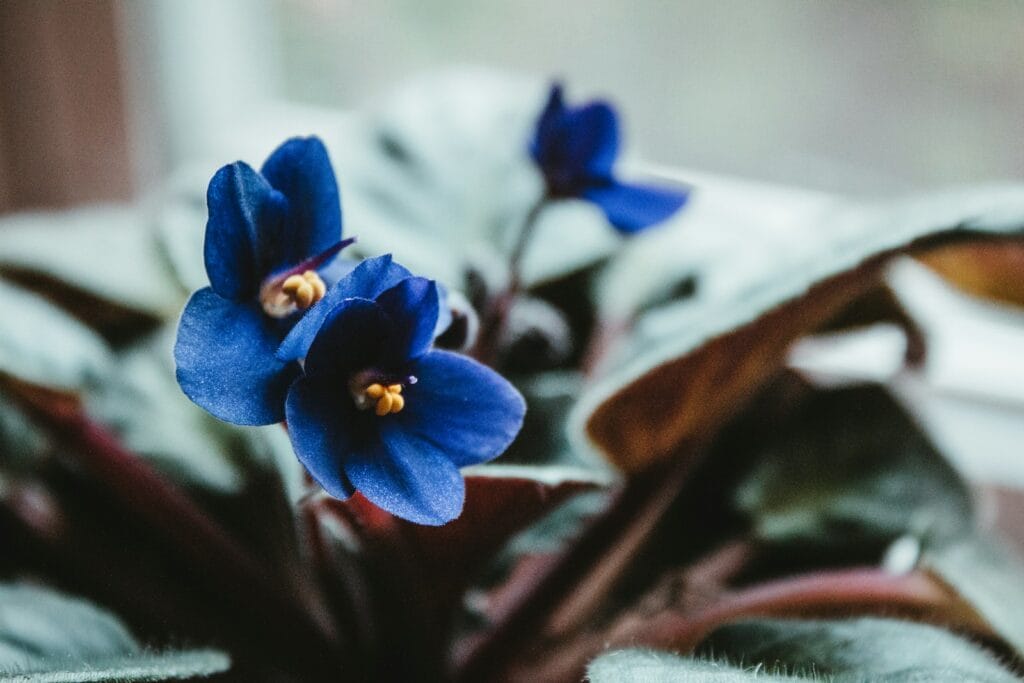
This may have been my favorite discovery.
Healthy African violet leaves can be rooted to create entirely new plants. Gardeners have been sharing starts this way for generations.
It’s one of those gardening tricks that feels almost magical. One healthy leaf can eventually become a brand new, blooming plant.
A Few Beginner Mistakes to Avoid
If you’re just getting started, here are a few lessons that kept showing up during my research.
- Don’t put your African violet in harsh afternoon sun.
- Don’t let the pot sit in standing water.
- Don’t choose a pot that is much bigger than the plant.
- Don’t forget to fertilize during the growing season.
- Don’t give up after a missed bloom. Most flowering problems can be corrected with a few small adjustments.
Would I Try Growing African Violets Again?
Absolutely – not. It is just not for me.
Walking past that beautiful front garden reminded me that every gardener has at least one plant they’ve convinced themselves they can’t grow. For me, African violets landed on and fell off that list years ago.
I learned what these cheerful little plants actually need; they are indeed as fussy and dainty as I once believed.
Will I suddenly fill my garden with African violets? Probably not.
Will I finally stop letting them scare me? I think I will leave African Violets to people who succeed at growing orchids.
Frequently Asked Questions
How often should I water an African violet?
Water when the top inch of soil feels dry and if you are using your finger, this is usually down to your middle knuckle. Most homes require watering about once a week, but always check the soil instead of following a strict schedule.
Do African violets like direct sunlight?
No. They prefer bright, indirect light. Gentle morning sun is fine, but harsh afternoon sun can burn their leaves.
Why isn’t my African violet blooming?
The most common reasons are not enough light, inconsistent watering, an oversized pot, or a lack of fertilizer.
Can African violets grow outside?
Yes, in warm climates without frost. They prefer protected areas with filtered sunlight and mild temperatures.
Should I water African violets from the bottom?
Many gardeners do because it helps keep water off the fuzzy leaves and reduces the risk of leaf spotting and crown rot.
How long do African violets live?
With proper care, African violets can live for decades and continue blooming year after year.
Can I grow a new African violet from a leaf?
Yes. Healthy leaf cuttings can be rooted to produce entirely new plants, making African violets one of the easiest houseplants to propagate.
Final Thoughts
Sometimes, all it takes is walking past someone else’s beautiful garden to convince us to give a plant another chance. Some people can take that Fear Of Missing Out FOMO and embrace the challenge and say, “If they can do it, I can do it!” Yep, I said that, tried, and killed it. Will I try it again? Never say never.
For me, seeing my neighbor with potted African violets in the shade was enough to replace intimidation with curiosity. Gardening has a funny way of doing that. The plants that seem the most difficult often turn out to be the ones that wanted us to understand them a little better.
If African violets have been on your “maybe someday” list like they were on mine, I hope this doesn’t discourage you too much from bringing one home. They are a challenge, and maybe some of you reading this will be completely up for it! Who knows? Maybe one day someone will walk past your garden, slow down for a closer look, and wonder how you got yours looking so happy.
Share this post
Disclosure: This article may contain affiliate links. If you purchase through these links, The Bright Garden may earn a commission at no extra cost to you.
Table of Contents
- Why African Violets Have a Reputation for Being Difficult
- Can You Grow African Violets Outside?
- The Secret to Happy African Violets
- Give Them Bright, Indirect Light And Plan On Keeping Them Inside
- Water Carefully
- Skip the Oversized Pot
- Use the Right Soil
- Feed Them Regularly
- Keep Your African Violet Looking Its Best
- Common African Violet Problems
- Your Plant Won’t Bloom
- Leaves Have Brown Spots
- Leaves Turn Yellow
- Pests
- You Can Grow a Whole New Plant From One Leaf
- A Few Beginner Mistakes to Avoid
- Would I Try Growing African Violets Again?
- Frequently Asked Questions
- How often should I water an African violet?
- Do African violets like direct sunlight?
- Why isn’t my African violet blooming?
- Can African violets grow outside?
- Should I water African violets from the bottom?
- How long do African violets live?
- Can I grow a new African violet from a leaf?
- Final Thoughts
About the Author

Nicole Stark
Nicole started The Bright Garden after years of hands-on learning in her own backyard, where she fell in love with healthy soil, native plants, and gardening the natural way. She shares honest, experience-based tips and enjoys time outdoors — gardening, fishing, and slow living with family. Gardening style: Organic, a little wild, always evolving. Current favorites: Worm bins, pollinator plants, backyard dinners.
Explore More
Free gardening tools, finders and interactive guides to help you grow better.