
How to Grow Fuchsia Flowers Without Overthinking It
 Written by
Flowers
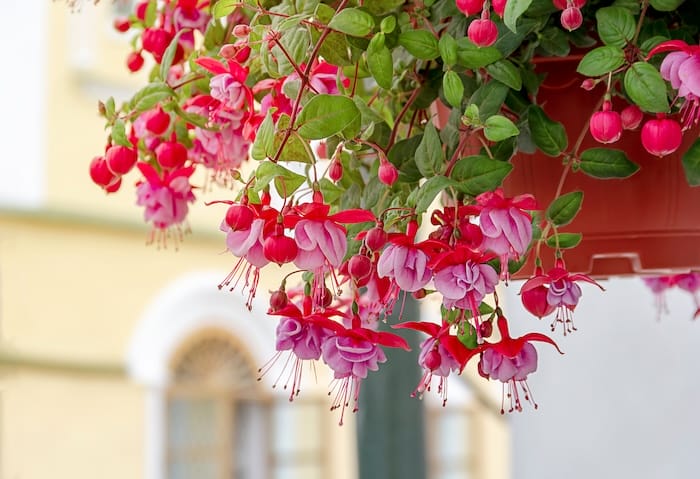
I have always been a little envious of gardeners who go for the really showy, delicate-looking blossoms like fuchsia flowers. The ones that look like they might be a lot of work or easy to mess up. I tend to stick with what I know will grow. So for a long time, fuchsias felt like something I would admire from a distance.
They look like they would be fussy. Like one wrong move, and they are done.
But the more I looked into them, the more I realized that wasn’t really the case. They are not as fragile as they look. In the right spot, they are actually pretty manageable. So I spent some time reading through how they grow and what they need, and here is what I found.
Why Fuchsia Is Worth Trying
If you have a space in your garden that never quite works for sun-loving plants, this is where fuchsia starts to make sense. They actually prefer a bit of protection and cooler conditions, which already makes them easier than I expected.
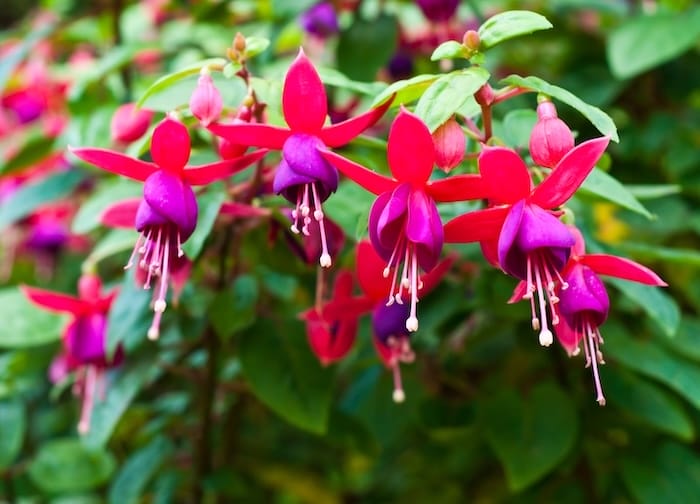
They also bloom for a long stretch of the season, and those flowers really do stand out. It is not a subtle plant. If it is happy, you will know. They also tend to draw in hummingbirds, which is always a nice bonus.
What Fuchsia Needs to Grow Well
Light
Fuchsias do best in partial shade. Morning light is fine, but strong afternoon sun tends to be too much. If you have a spot that gets gentle light or filtered shade, that is a good place to start.
Soil
They like rich, well-draining soil. Nothing too complicated here. Slightly on the neutral side works well, but you do not need to overthink it. If you are planting in a container, use a good potting mix and make sure water can move through it easily.
Water
This is the most important part. Fuchsias like consistent moisture. Not dry, not overly wet. Just steady. If they dry out too much, they will show it quickly.
If you are growing them in hanging baskets or pots, you may need to water more often, especially during warmer weather.
Temperature and Humidity
This is where they can be a little particular. They prefer cooler temperatures. Once it gets too hot, flowering can slow down.
They do like a bit of humidity, too, but cooler air matters more than anything. If you are in a warmer climate, placing them in a spot protected from the afternoon heat really helps.
Airflow
This is something I did not expect to matter as much as it does. Fuchsias like fresh air moving around them. Not strong wind, just gentle airflow.
If they are tucked into a tight, still corner, they can struggle more with pests and general stress. Giving them a little breathing room goes a long way.
Feeding
They do better with regular feeding. A simple liquid fertilizer every couple of weeks during the growing season is usually enough to keep them going strong.
Keeping Your Plant Full and Blooming
Pinching
Pinching back new growth helps the plant fill out instead of growing long and thin. It can feel counterintuitive at first, but it leads to more flowers over time.
Cleaning Up Blooms
Removing spent flowers keeps the plant looking good and encourages it to keep producing more.
Why Buds Sometimes Drop
One thing that can catch you off guard is when the plant sets buds, only to suddenly drop them.
Most of the time, it comes down to stress. Letting the soil dry out too much, sudden heat, or even moving the plant to a very different spot can cause this. Once things even out again, it usually recovers.
Growing Fuchsia in Pots
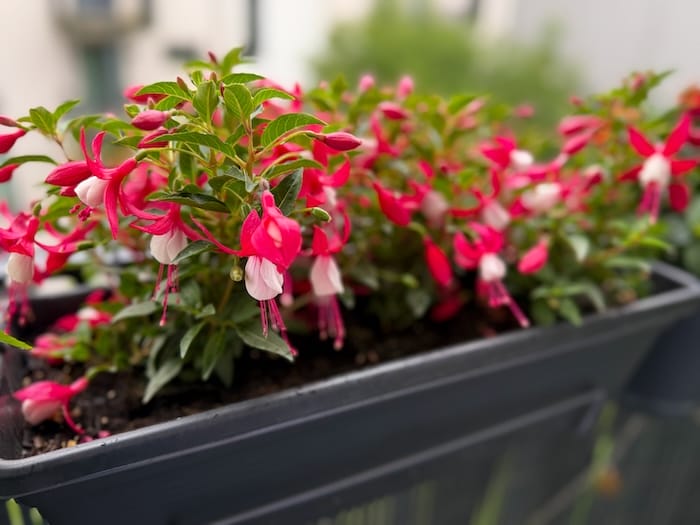
This is the easiest way to grow them, especially if you are still figuring things out.
Containers give you flexibility. If the plant looks stressed, you can move it. If it needs more light or less heat, you can adjust. It takes some of the pressure off getting it perfect right away.
One thing to keep in mind is that their roots do not love getting too hot. Dark pots sitting in direct sunlight can warm up quickly, which can stress the plant. Keeping containers shaded or choosing lighter colored pots can help more than you might expect.
How to Propagate Fuchsia
This was one of the more surprising things. Fuchsias are actually pretty easy to propagate.
You can take a simple stem cutting and root it in water or soil. So once you have one plant doing well, you can turn it into more without much effort.
What to Do in Winter
In many areas, fuchsias will not survive winter outdoors. If you want to keep them, you can bring them indoors and let them rest in a cooler space.
They do not need much during this time. Less light, less water, and just enough attention to keep them from completely drying out. Think of it more like letting the plant pause until spring.
Common Issues to Watch For
They are not especially difficult plants, but you might see aphids or mealybugs from time to time. If you do, a simple treatment like insecticidal soap usually takes care of it.
If your plant stops blooming, the first thing to check is the temperature. Too much heat is often the reason.
Frequently Asked Questions
Quick answers to some of the most common questions about growing healthy, colorful fuchsias.
Are fuchsias hard to grow?
They look harder to grow than they really are. Once you get the light and watering right, fuchsias are pretty manageable.
Can fuchsias grow in full sun?
They can handle some gentle morning sun, but strong afternoon sun is usually too intense, especially during hot weather.
How often should I water fuchsias?
Keep the soil consistently moist without leaving it soggy. Fuchsias grown in containers may need more frequent watering, especially during warm or windy weather.
Do fuchsias come back every year?
Some varieties can return each year in milder climates. In colder areas, many gardeners treat them as seasonal plants or bring them indoors for winter.
Final Thoughts
I went into this thinking fuchsias were one of those plants that looked better than they actually grow. But they turned out to be a lot more reasonable than I expected.
If you have been avoiding them for the same reason, it might be worth giving them a try. Sometimes the plants that look the most delicate are just waiting for the right spot to prove you wrong.
Share this post
Disclosure: This article may contain affiliate links. If you purchase through these links, The Bright Garden may earn a commission at no extra cost to you.
Table of Contents
- Why Fuchsia Is Worth Trying
- What Fuchsia Needs to Grow Well
- Light
- Soil
- Water
- Temperature and Humidity
- Airflow
- Feeding
- Keeping Your Plant Full and Blooming
- Pinching
- Cleaning Up Blooms
- Why Buds Sometimes Drop
- Growing Fuchsia in Pots
- How to Propagate Fuchsia
- What to Do in Winter
- Common Issues to Watch For
- Frequently Asked Questions
- Final Thoughts
About the Author

Nicole Stark
Nicole started The Bright Garden after years of hands-on learning in her own backyard, where she fell in love with healthy soil, native plants, and gardening the natural way. She shares honest, experience-based tips and enjoys time outdoors — gardening, fishing, and slow living with family. Gardening style: Organic, a little wild, always evolving. Current favorites: Worm bins, pollinator plants, backyard dinners.
Explore More
Free gardening tools, finders and interactive guides to help you grow better.