How to Plan a Small Garden Layout for Sun, Shade, and Soil
 Written by
Garden Design
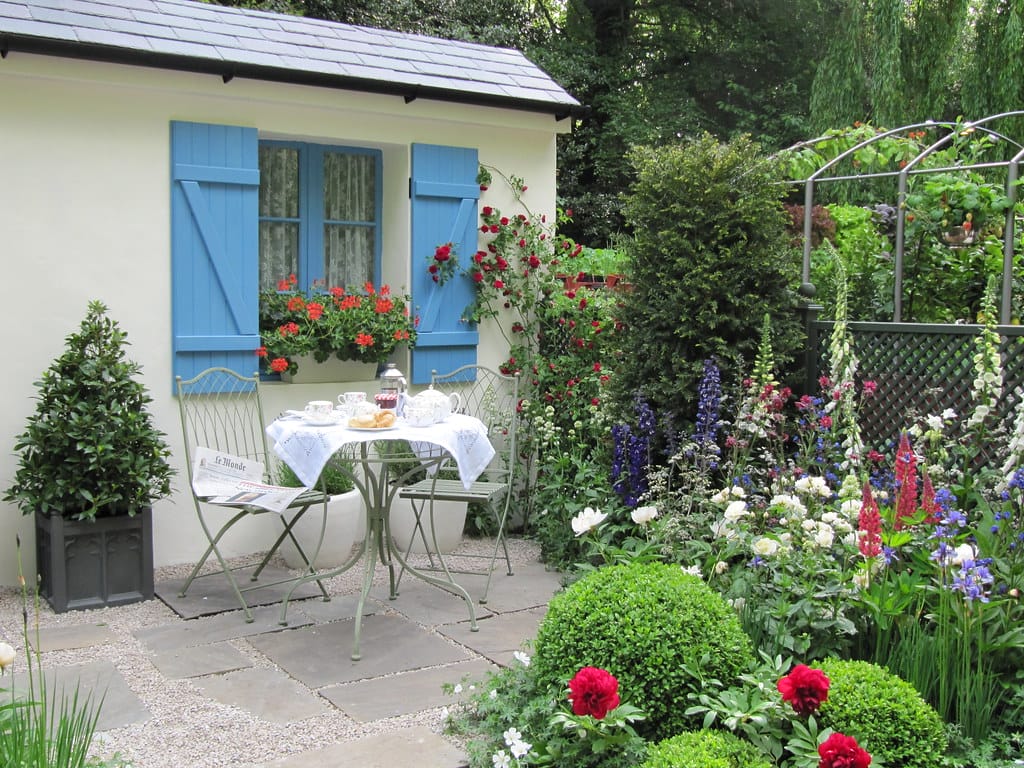
Planning a small garden layout doesn’t have to be complicated or overwhelming. In fact, the best gardens often begin with something simple—stepping outside, taking a breath, and noticing what’s already there. Whether you’re working with a small backyard, a patio, or just a quiet corner of your deck, understanding your space can turn it into a place where you can grow a few herbs, a handful of vegetables, and a few flowers to clip and bring inside at the end of the day.
A small mix of greenery and blooms—something like rosemary by the door, a pot of lettuce, and a few cosmos or roses—can turn even the smallest space into somewhere you actually want to spend time.
Why a Simple Garden Plan Helps
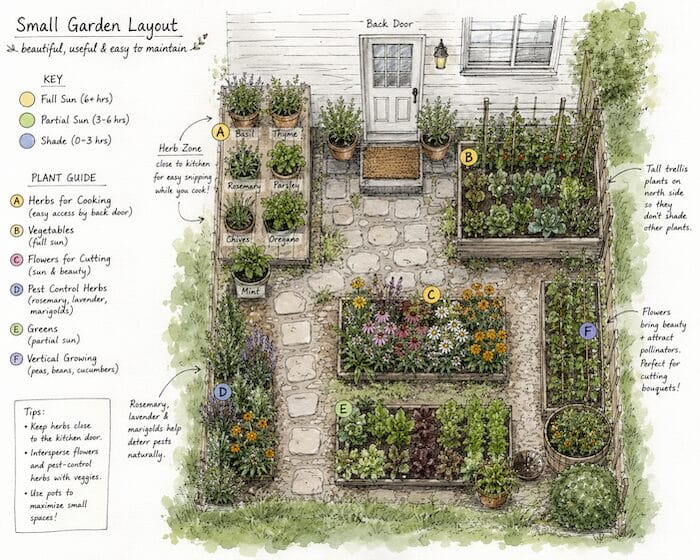
In a smaller space, every plant matters a little more. Choosing a mix of herbs, vegetables, and flowers—and placing them thoughtfully—helps your garden feel balanced, useful, and easy to care for.
You can even intersperse herbs like rosemary, thyme, or basil among your plants. Not only do they smell great when you brush past them, but many herbs naturally help deter pests, which is a quiet bonus in a compact garden.
You don’t need a big yard to grow something meaningful. Even a few containers or a small raised bed can become a calm, productive space.
Taking a little time to plan helps you:
- Choose the right plants for your space
- Avoid frustration later on
- Make the most of limited room
- Create a space that feels relaxing, not stressful
Start with the Sun (Your Garden’s Foundation)
Sunlight is one of the most important pieces of the puzzle.
Most vegetables—like tomatoes, peppers, and cucumbers—need about 6 to 8 hours of direct sunlight each day. Smaller crops like herbs and leafy greens can get by with less.
How to Observe Sunlight in a Small Space
Spend a day or two paying attention to how light moves across your space.
Notice:
- Where the sun hits in the morning
- Which spots stay bright through the afternoon
- Where shadows settle in
Even on a small deck, you’ll usually find a few different light zones.
Use Shade to Your Advantage
Shade isn’t a problem—it’s an opportunity.
Plants That Do Well in Partial Shade
- Lettuce
- Spinach
- Herbs like mint and parsley
- Green onions
These plants often prefer a break from strong afternoon sun, especially in warmer weather.
Know Your Soil (or Your Containers)
If you’re working with containers, you have a bit more control—but it still matters what you’re planting into.
What to Look For
- Soil that drains well (not soggy)
- A light, crumbly texture
- Healthy, organic material mixed in
Easy Ways to Improve Soil
- Add compost or organic potting mix
- Use containers with drainage holes
- Refresh soil each season if you’re growing in pots
Even a small container garden benefits from good soil—it’s where everything starts.
Think About Water (Keep It Easy)
In a small space, convenience matters.
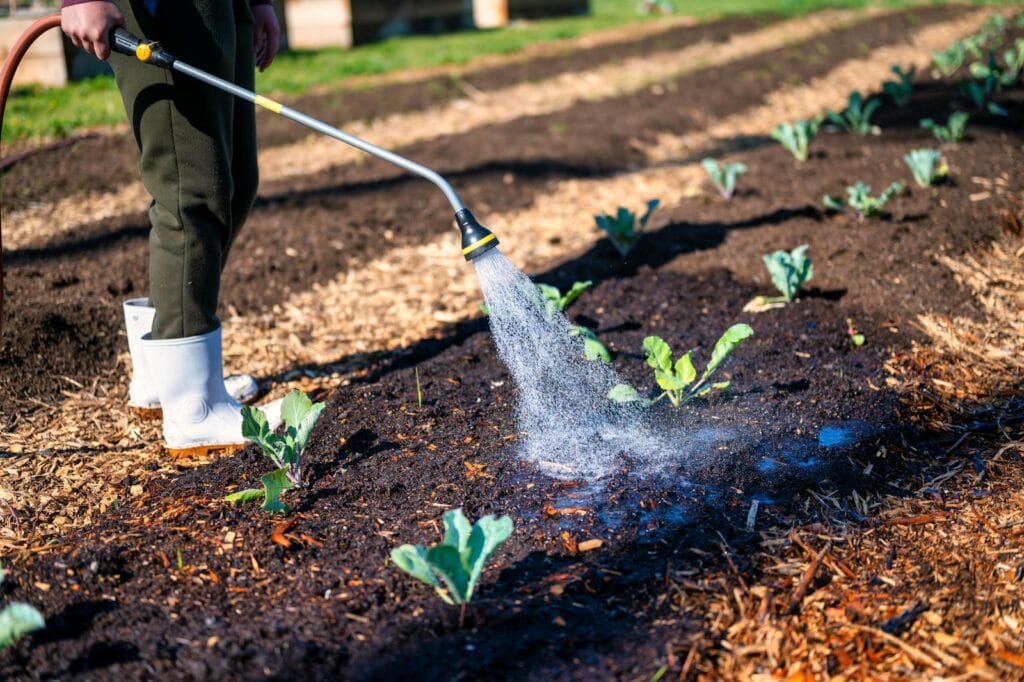
Simple Watering Tips
- Keep plants close to a water source if possible
- Group plants with similar water needs together
- Use containers that hold moisture but still drain well
The easier it is to water, the more likely you’ll stay consistent—and your plants will thank you for it.
Watch for Wind and Heat
Small spaces can have strong conditions, especially on decks or balconies.
What to Look For
- Windy corners that dry plants out quickly
- Walls or railings that reflect heat
- Areas that stay cooler and more protected
If needed, move containers around until things feel right. That flexibility is one of the advantages of a small garden.
Grow a Few Flowers Too (For Cutting and Enjoying Indoors)
Flowers don’t just make your space look good—they give you something to take inside with you. A small jar of freshly cut blooms on the table can completely shift the mood of a room.
In a small garden, flowers work best when they’re mixed in rather than set apart. Tuck them between herbs, line them along the edge of a container, or let them share space with your vegetables.
Easy Flowers for Small Spaces and Bouquets
Even in a small space, adding a few flowers can completely change how your garden feels. They bring color, movement, and—if you choose the right ones—something you can clip and bring inside.
Easy Flowers for Small Spaces and Bouquets
- Cosmos: Light, airy, and incredibly easy to grow. The more you cut them, the more they bloom.
- Zinnias: Bright, cheerful, and great for beginners. They handle heat well and make long-lasting bouquets.
- Marigolds: Compact and low-maintenance, with a warm pop of color.
- Mini roses or patio roses: Perfect for containers, and a classic choice for small bouquets.
- Sweet peas (on a trellis): Fragrant and delicate, ideal for vertical growing in tight spaces.
You don’t need many—just a few plants tucked among your herbs or vegetables can give you something to cut and enjoy indoors.
Keep Your Layout Simple
You don’t need a detailed blueprint.
A Basic Plan Might Include
- A few containers in the sunniest spot
- Herbs near the door for easy access
- Greens in a slightly shaded area
Keep it practical. The goal is to make your space easy to use and pleasant to spend time in.
Final Thoughts: A Garden That Helps You Unwind
A small garden doesn’t have to produce a huge harvest to be worth it. Sometimes, it’s just about having a place to step outside, check on a few plants, and let your mind settle for a moment.
When you pay attention to your space—how the light moves, how the air feels, where things grow best—you start to work with it instead of against it.
And over time, that small space becomes something more than just a garden. It becomes a place to pause, breathe, and reset.
Frequently Asked Questions
How much sunlight do I need for a small garden?
Most vegetables need 6–8 hours of direct sunlight. Herbs and leafy greens can grow with 3–5 hours.
Can I grow plants on a shaded balcony or deck?
Yes. Focus on shade-tolerant plants like lettuce, spinach, and herbs.
What’s the easiest way to start a small garden?
Start with a few containers, good-quality soil, and plants that match your sunlight conditions.
Do I need special soil for container gardening?
Yes. Use a quality potting mix rather than garden soil to ensure proper drainage and nutrients.
How often should I water a small container garden?
It depends on the weather, but most containers need watering more often than in-ground plants—sometimes daily in warm conditions.
Share this post
Disclosure: This article may contain affiliate links. If you purchase through these links, The Bright Garden may earn a commission at no extra cost to you.
Table of Contents
- Why a Simple Garden Plan Helps
- Start with the Sun (Your Garden’s Foundation)
- How to Observe Sunlight in a Small Space
- Use Shade to Your Advantage
- Plants That Do Well in Partial Shade
- Know Your Soil (or Your Containers)
- What to Look For
- Easy Ways to Improve Soil
- Think About Water (Keep It Easy)
- Simple Watering Tips
- Watch for Wind and Heat
- What to Look For
- Grow a Few Flowers Too (For Cutting and Enjoying Indoors)
- Easy Flowers for Small Spaces and Bouquets
- Easy Flowers for Small Spaces and Bouquets
- Keep Your Layout Simple
- A Basic Plan Might Include
- Final Thoughts: A Garden That Helps You Unwind
- Frequently Asked Questions
- How much sunlight do I need for a small garden?
- Can I grow plants on a shaded balcony or deck?
- What’s the easiest way to start a small garden?
- Do I need special soil for container gardening?
- How often should I water a small container garden?
About the Author

Nicole Stark
Nicole started The Bright Garden after years of hands-on learning in her own backyard, where she fell in love with healthy soil, native plants, and gardening the natural way. She shares honest, experience-based tips and enjoys time outdoors — gardening, fishing, and slow living with family. Gardening style: Organic, a little wild, always evolving. Current favorites: Worm bins, pollinator plants, backyard dinners.
Explore More
Free gardening tools, finders and interactive guides to help you grow better.