Plan Your Pond With Our Pond Planner
 Written by
How To's Ponds & Water Features
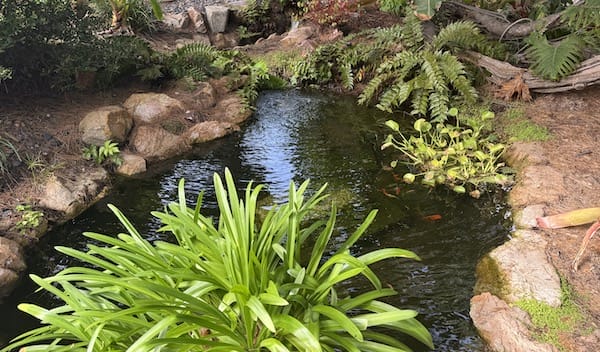
If you’ve ever stood in your backyard picturing a quiet little pond (maybe with koi drifting under lily pads), you’ve probably had that second thought creep in just as fast: where do I even start? We have the answer – a pond planner.
I’ve seen that moment stop a lot of good pond ideas in their tracks. Because the truth is, building a pond sounds simple… right up until you realize how many moving pieces are involved. Size, shape, liner, pumps, fish – it adds up quickly, and it’s easy to feel like you need to have it all figured out before you begin.
Before you dive in, though, let’s pause and consider a different way to approach the process.
The part that trips most people up
Most people don’t struggle to build a pond—they struggle to make the right choices. Questions pile up: how big, what liner, add a waterfall, how to keep water clean?
Then there’s the less exciting side of things: pumps, filtration, maybe even a heater, depending on your climate. It’s not the part anyone daydreams about, but it’s what keeps your pond from turning into a murky science experiment by mid-summer.
A simpler way to think about it
Don’t solve everything at once. Treat pond planning as building a foundation—not locking in details, just creating a strong starting point.
It’s like planning a garden bed: sketch the space, decide what goes where, and adjust as it grows. A pond is similar.
Start with the basics
Every pond really comes down to a handful of core decisions, and once those are in place, everything else gets easier.
Size is the first decision. According to Aquascape, Inc., a small backyard pond provides several advantages that make it a practical and enjoyable option for many homeowners.
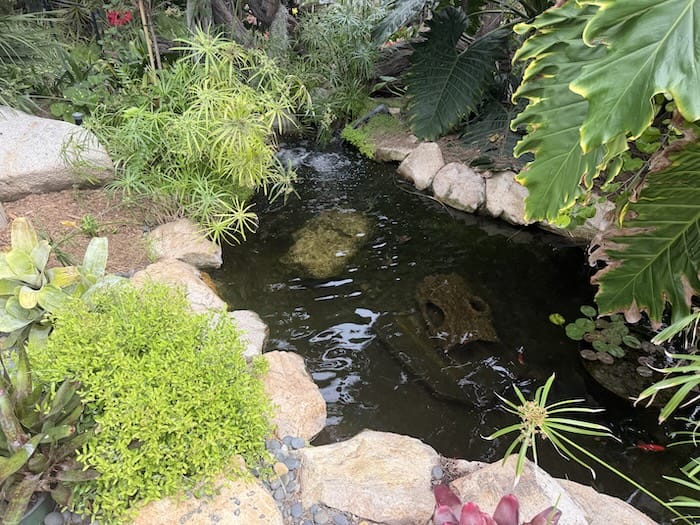
Shape is about how the pond fits in your space. Some yards suit clean lines, others fit better with a freeform shape. Natural shapes blend more easily and allow flexibility.
Then come the features—the part that really brings everything to life. A small waterfall or a simple fountain can completely change how the pond feels. You don’t need anything elaborate. According to Aquascape, Inc., even a small backyard pond can offer soothing sounds and gentle movement that create a peaceful and beautiful atmosphere. Choosing a liner might seem daunting, but it is often simpler and less overwhelming.
The pond-liner decision sometimes seems larger than it appears. Most choose EPDM rubber: it’s flexible, long-lasting, and forgiving. Once picked, don’t overthink it.
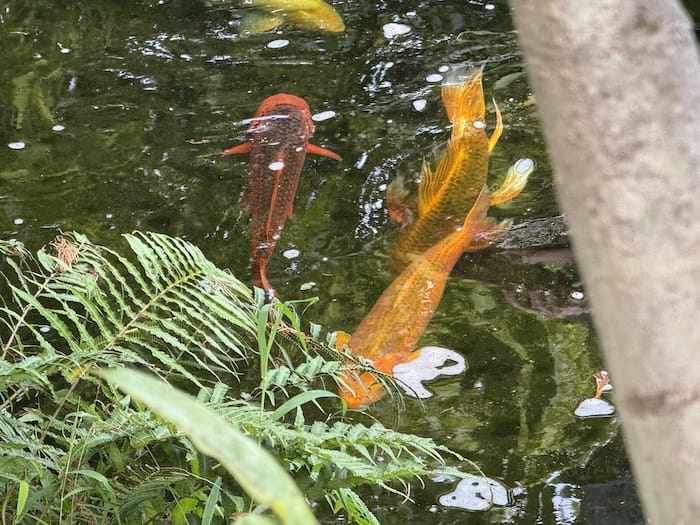
Fish and plants are worth considering early, even if you don’t add them right away. Plants help keep water balanced, and fish—whether a few goldfish or koi—affect factors like depth, filtration, and overall design.
And then there’s the part most people overlook: the equipment. Pumps, filters, and circulation systems may not be exciting, but they’re what keep everything working. A good setup here makes the difference between a clear, healthy pond and one that constantly needs fixing.
Where the pond planner helps
You can piece this together yourself, but it usually involves second-guessing. The pond planner guides you step by step, simplifying each decision and connecting them into a clear plan.
It helps select size, shape, features, materials, equipment, plants, and fish, then creates a clean shopping list so you don’t forget anything.
Ready to make your pond idea real? Visit our Pond Planner
The part that makes it yours
With a plan, it’s less about building a pond and more about shaping a space.
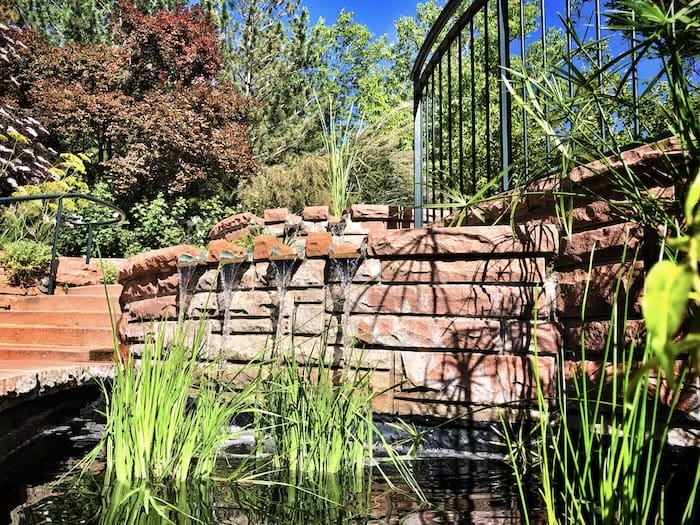
This is where small details start to matter. A simple bench where you can sit with your morning coffee, a few stepping stones that guide you through the garden, or even a small bridge if your layout allows. None of these are complicated additions, but they make the space feel intentional—like somewhere you actually want to spend time.
Let it come together over time
People think every pond must be finished at once, but it’s often better to take your time.
Start with the pond itself and get it running. Let the water settle, feel the space, and then begin layering things in. Plants can come next, followed by fish once everything stabilizes. Seating, décor, and other features can be added gradually.
Taking that slower approach gives you time to notice how you naturally use the space—and what would make it better.
A quick note on wildlife
If you build a pond, wildlife will find it. That’s part of the fun. Birds, pollinators, and all kinds of small visitors tend to show up sooner than you’d expect.
If you’re keeping fish, though, you may eventually need to think about protection. Herons, for example, have a way of discovering ponds at exactly the wrong time.
One simple solution that works surprisingly well is a motion-activated sprinkler. It gives a quick burst of water when something gets too close. It’s harmless, but usually enough to send would-be predators somewhere else.
Start simple
If there’s one thing worth remembering, it’s this: you don’t need to have everything figured out before you begin.
You just need a starting point. From there, you can shape the space into whatever you want it to be. A quiet corner, a focal point, or a place to unwind at the end of the day, make this your zen-zone.
Because in the end, a pond isn’t just something you build.
It’s something you grow into.
FAQs: Planning and Building a Backyard Pond
How do I plan a backyard pond for the first time?
Start simple. Think about where the pond will go, how big you want it, and the shape that fits your space. Once that’s settled, move into the practical pieces like liner, pump, filtration, and any extras such as waterfalls or aquatic plants. A good planning guide or tool can make the whole process feel much less overwhelming.
What size pond is easiest to maintain?
Medium to larger ponds are usually easier to maintain than very small ones. They stay more stable when it comes to temperature, algae, and water quality, while tiny ponds can swing out of balance much faster.
Do I need a pump and filter?
Yes. A pump and filter are essential for keeping the water circulating, cleaner, and healthier for both plants and fish. Without them, water can quickly become stagnant and harder to manage.
Can I build a pond in stages?
Absolutely. Building in stages is often the smarter route. You can start with the main pond and then add features over time, which gives you more room to learn, adjust, and spread out the cost.
What’s the best pond liner to use?
Most people choose EPDM rubber because it’s durable, flexible, and built to last. It’s a dependable choice for backyard ponds and works well in a wide range of shapes and sizes.
Share this post
Disclosure: This article may contain affiliate links. If you purchase through these links, The Bright Garden may earn a commission at no extra cost to you.
About the Author

Nicole Stark
Nicole started The Bright Garden after years of hands-on learning in her own backyard, where she fell in love with healthy soil, native plants, and gardening the natural way. She shares honest, experience-based tips and enjoys time outdoors — gardening, fishing, and slow living with family. Gardening style: Organic, a little wild, always evolving. Current favorites: Worm bins, pollinator plants, backyard dinners.
Explore More
Free gardening tools, finders and interactive guides to help you grow better.