Container Garden Planning for Patios, Balconies, and Small Yards
 Written by
Container Gardening Soil & Compost
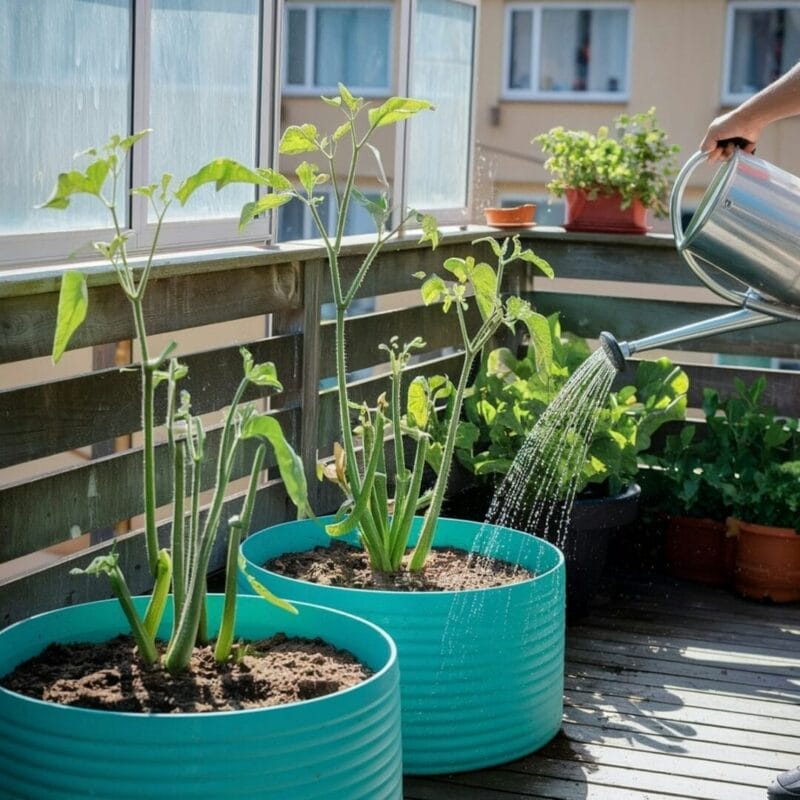
No yard? No problem. Learn how to choose containers, match them to plants, and arrange them to maximize light and growth.
I’ll be honest with you—I didn’t start out as a container garden fan. For the longest time, I thought if you weren’t growing straight in the dirt, it didn’t count. But then life threw me a few curveballs (like a rental with a concrete backyard and way too much shade), and I found myself experimenting with pots, buckets, and whatever else could hold soil.
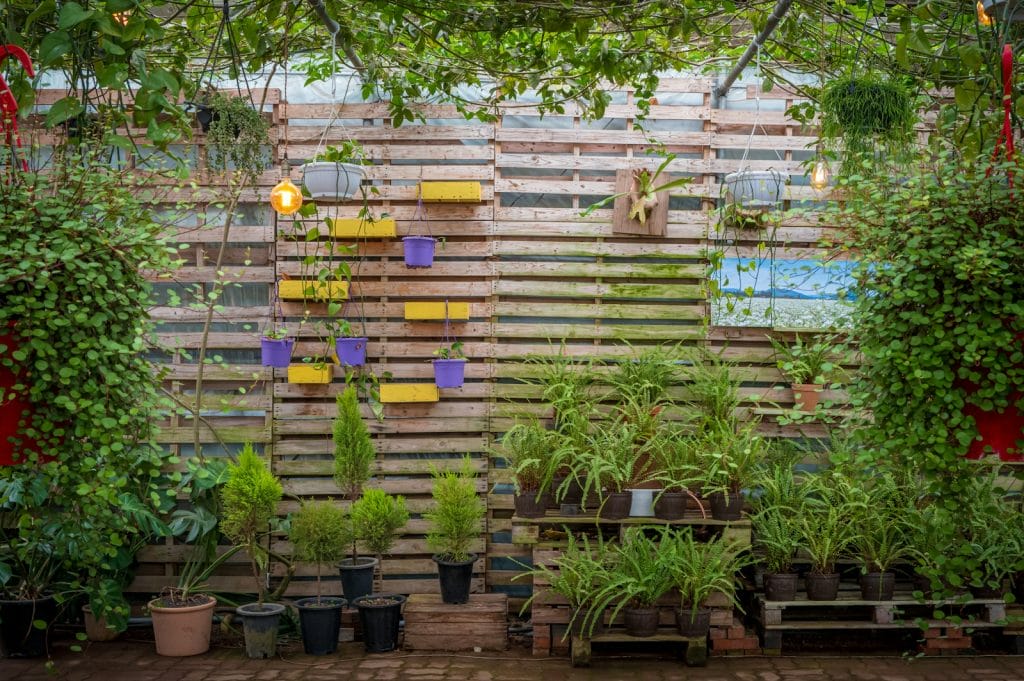
And you know what? It worked. Not just worked—it thrived. These days, I keep herbs, greens, and even a few peppers growing in containers year-round, whether it’s in the front courtyard or tucked along the side yard. So if you’re working with a small patio, a balcony, or even just a few square feet of concrete—don’t sweat it. You can still grow real food in real containers. Let me walk you through how.
Start With Your Space, Not Your Plants
It’s easy to get swept away by the seed rack or the garden center’s tomato display. But before you grab a handful of seedlings, take a beat and look at your space.
Ask yourself:
- How much sun does this spot actually get? Morning light? Full afternoon blaze? Dappled shade?
- Is it windy? Sheltered?
- Can I reach it with a hose, or will I be lugging a watering can?
- Is there any room to grow vertically?
Once you understand what kind of environment you’re working with, picking your containers and plants becomes way easier. You’re working with your space, not fighting it.
Choosing the Right Containers (It’s Not Complicated)
Here’s the truth: you don’t need expensive pots to grow great plants. I’ve used everything from old nursery pots to five-gallon buckets with holes drilled in the bottom. The key things to look for are:
- Good drainage: If it doesn’t drain, it’s a swamp. Drill holes if needed.
- Enough depth: Bigger plants need more root room. Tomatoes, peppers, and eggplant like containers 12–18 inches deep. Lettuce and herbs can get by with 6–10.
- Durability: Clay pots are beautiful, but they crack in cold weather. Plastic holds up but can heat up in full sun. I mix and match depending on what I’m growing and where.
Also, don’t forget about weight—especially if you’re gardening on a balcony. Wet soil is heavy. Use lightweight potting mix, and maybe skip the huge ceramic planter unless it’s got a forever home.
What to Plant (And Where to Put It)
You can grow just about anything in a container, but some crops do better than others.
Easy wins for container growing:
- Leafy greens: Lettuce, spinach, arugula, and chard are great. They don’t need deep soil and can even grow in partial shade.
- Herbs: Basil, thyme, parsley, mint, oregano. These are container champs and love being near the kitchen.
- Peppers: Compact and productive. They love heat, and containers warm up fast.
- Cherry tomatoes: As long as you give them support, they’ll go wild in a 5-gallon bucket.
- Radishes and green onions: Quick growers that don’t need much space.
- Succulents: Not edible, but lush and don’t need a ton of water or attention.
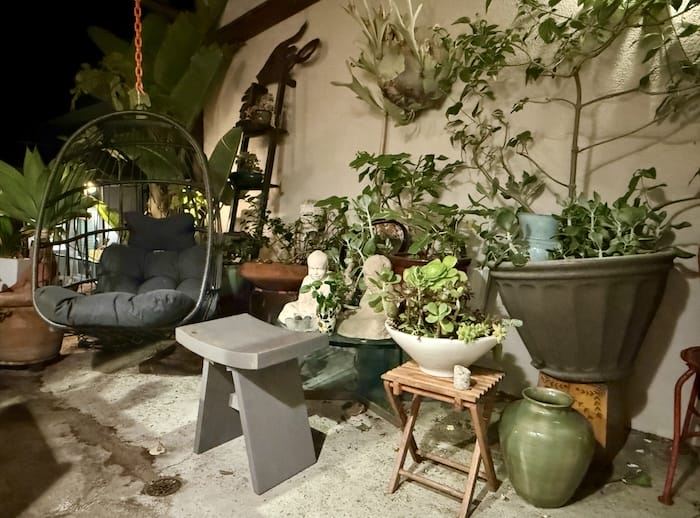
I like to group my containers based on sun needs. Full-sun lovers (like tomatoes and peppers) go in the brightest corner. Shade-tolerant greens live closer to the fence where they get more gentle light.
You can also go vertical. Hanging baskets, wall-mounted planters, trellises tucked into pots—anything that climbs or trails is fair game. I’ve grown cucumbers in a large pot with a DIY bamboo trellis, and it did great once I stayed on top of the watering.
Soil and Fertility: The Secret Sauce
Here’s something I didn’t know when I started: container soil is different. Regular garden soil is too heavy. It compacts, holds water, and chokes out the roots.
Go with a good-quality potting mix. I like to add in a few scoops of compost from my own bin (or worm castings from my worm setup—what they poop out turns out to be nutrients). It keeps the mix alive and thriving.
Container plants need more feeding than in-ground ones. The nutrients leach out every time you water. I feed mine every couple of weeks with compost tea, fish emulsion, or a gentle organic fertilizer. Just a little boost to keep things going.
Watering Tips That Save Your Plants (And Your Time)
Watering is probably the number one issue with container gardens. They dry out fast—especially in summer.
A few things I’ve learned:
- Water deeply, not just a sprinkle on top. Soak the whole root zone.
- Check daily in hot weather. Stick a finger in the soil an inch down—if it’s dry, it’s time.
- Group pots together. They shade each other and reduce evaporation.
- Mulch your containers. Yep, even in pots. A layer of straw, wood chips, or even dried leaves on top helps lock in moisture.
I also invested in a simple drip line setup with a timer for my courtyard pots. Total game-changer.
Arrange for Growth and Light
One thing folks forget when starting out is that plants grow. That cute basil in a six-inch pot will turn into a little bush if it’s happy. Don’t overcrowd your space just because it looks tidy today.
I try to stagger heights—tall pots in the back, short ones up front—so everything gets light. If you’re limited on space, think in layers:
- Big planters in the corners
- Window boxes along railings
- Hanging baskets up top
- Little pots tucked in between
Keep walkways clear and leave room to reach in and harvest. It’s easy to overpack and regret it once things really take off.
Troubleshooting Common Container Issues
Let’s be real—things go sideways sometimes. Here’s what to look out for:
- Yellowing leaves? Could be overwatering, nutrient deficiency, or not enough light.
- Roots poking out the bottom? Time to up-pot or trim them back.
- Wilting in the heat even though the soil is wet? That’s root stress. Move to afternoon shade and back off on watering a bit.
Gardening in containers is a little more hands-on. But it also means problems are easier to spot and fix. I’ve caught pests early just by walking past a basil plant every morning and noticing a few chewed leaves.
Small Space, Big Possibility
You don’t need a big backyard to grow food. You don’t even need a yard at all. With the right containers, a bit of planning, and a whole lot of love (plus compost), you can turn any balcony, patio, or tiny corner into a thriving garden.
The beauty of container gardening is how forgiving it can be. Don’t like where something’s planted? Pick it up and move it. Plant failed? Dump it out, try again. No big deal.
So don’t wait for “someday” or “more space.” Start with what you’ve got. A pot of basil. A little lettuce box by the door. A cherry tomato on the porch that makes you smile every time you pick a snack.
That’s real gardening.
And honestly? That’s enough.
Share this post
Disclosure: This article may contain affiliate links. If you purchase through these links, The Bright Garden may earn a commission at no extra cost to you.
Table of Contents
- Start With Your Space, Not Your Plants
- Choosing the Right Containers (It’s Not Complicated)
- What to Plant (And Where to Put It)
- Soil and Fertility: The Secret Sauce
- Watering Tips That Save Your Plants (And Your Time)
- Arrange for Growth and Light
- Troubleshooting Common Container Issues
- Small Space, Big Possibility
About the Author

Nicole Stark
Nicole started The Bright Garden after years of hands-on learning in her own backyard, where she fell in love with healthy soil, native plants, and gardening the natural way. She shares honest, experience-based tips and enjoys time outdoors — gardening, fishing, and slow living with family. Gardening style: Organic, a little wild, always evolving. Current favorites: Worm bins, pollinator plants, backyard dinners.
Explore More
Free gardening tools, finders and interactive guides to help you grow better.