
Your Guide to Pruning Tools: What to Use & When
 Written by
Growing Guides Pruning
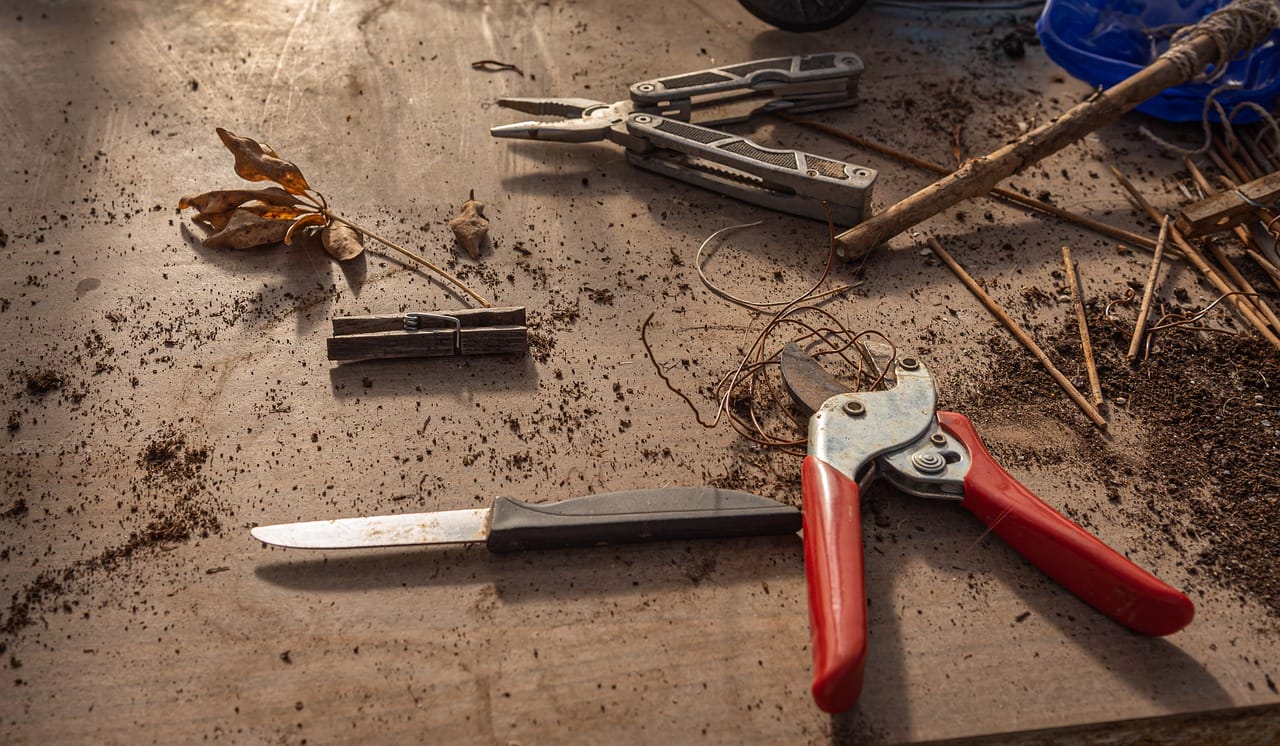
Pruning Tools Made Simple for New Gardeners
As fall rolls in, it brings cooler weather, beautiful colors, and—yep—more garden work. It’s time to start breaking down the vegetable garden, cutting back perennials, and trimming up trees and shrubs before winter hits.
One of the biggest fall tasks? Pruning. But if you’ve ever wandered through the garden section at your local hardware store, you’ve probably noticed just how many different kinds of pruning tools are out there. It can feel overwhelming, especially if you’re a new homeowner or just starting out with gardening.
So, here’s the breakdown: I’m going to walk you through the most common pruning tools—what they’re for, how to use them, how to keep them in good shape, and when to use each one. I’ll also share a few tips I’ve picked up from experience (including one that involves smashed fingers—more on that later).
Let’s get into it.
The Main Types of Pruning Tools
There are four core types of pruning tools most people will need:
- Hand Pruners (Bypass and Anvil)
- Loppers
- Shears (Manual or Powered)
- Pruning Saws (Including pole-mounted versions)
Each has its purpose, and the right one depends on what you’re trying to cut. Let’s cut to the chase, lol.
Hand Pruners: Small but Mighty
These are your go-to for everyday trimming. Designed for one-handed use, hand pruners are perfect for flowers, herbs, and small woody branches up to about 1” in diameter. There are two main styles: bypass and anvil.
Bypass vs. Anvil Pruners

- Bypass Pruners act like heavy-duty scissors—two blades pass by each other for a clean cut. Best for live, green growth.
- Anvil Pruners have one blade that crushes down onto a flat surface (the “anvil”). They’re better for dry or dead branches but tend to crush live stems rather than cut cleanly.
A Note on Fit
The size of your hand matters. If the pruners are too wide for your grip, it can be tough to get enough leverage—and you’ll be tempted to use two hands. (Ask me how I know that leads to bruised knuckles…)
If you need to cut something bigger, switch to loppers.
Ratcheting Pruners
These are a newer type with a built-in mechanism that reduces the force required to cut. Great for anyone with reduced grip strength or for tackling more rigid stems without wearing yourself out.
Loppers: Bigger Cuts, More Power
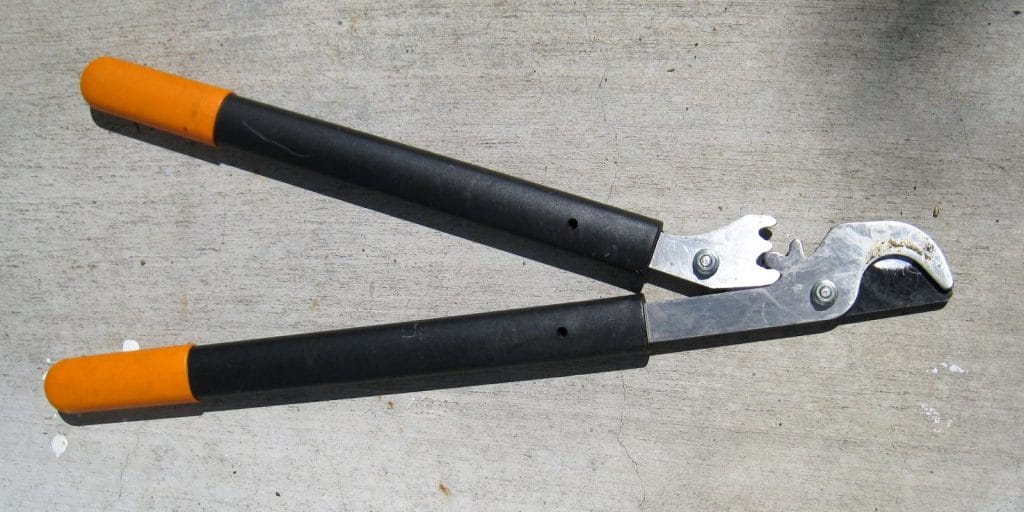
Loppers are basically hand pruners with long handles. The extra length provides you with significantly more leverage, resulting in increased cutting power and reduced effort.
They’re ideal for branches between 1.5” and 3” thick. Like pruners, they come in both bypass (for live branches) and anvil (for dead ones) styles.
Tip: Don’t use loppers as if they’re saws. If you’re forcing them through a thick branch, it’s probably time to grab a pruning saw.
Shears: For Shaping, Not Cutting Wood
Shears (manual or powered) are perfect for trimming hedges, cutting back ornamental grasses, or giving shrubs a nice tidy-up.
Manual Shears
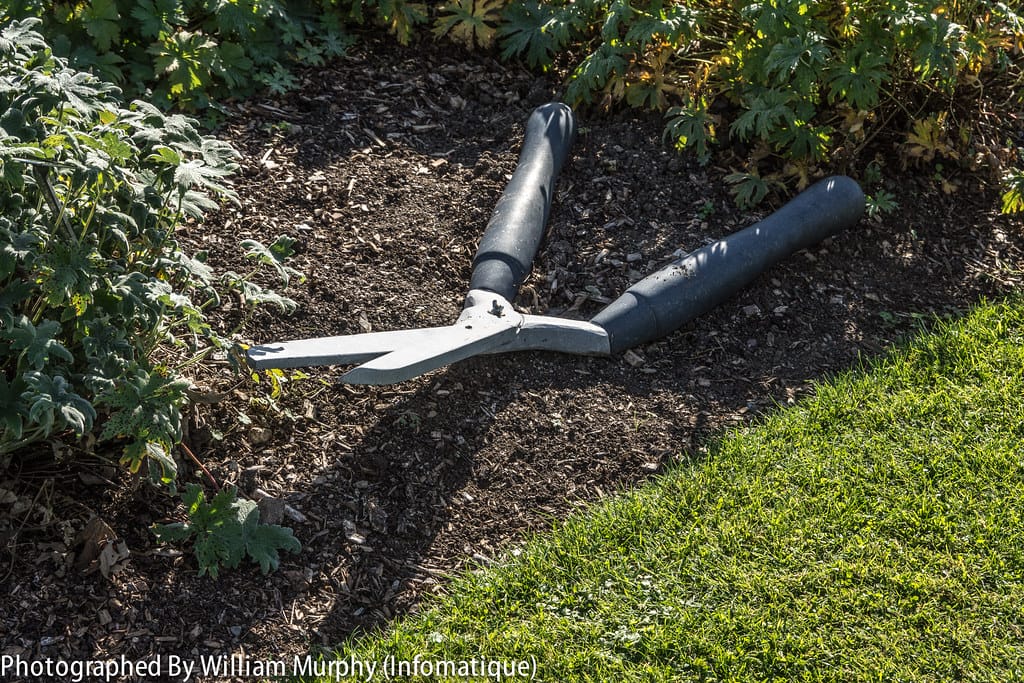
Think oversized scissors. Simple, effective, and most people already have a pair kicking around the shed. Great for quick seasonal cleanups and cutting back perennials.
Tip: If you have someone to help hold the plant material (such as grasses or flowers) while you cut, the process goes faster and cleaner.
Powered Hedge Trimmers
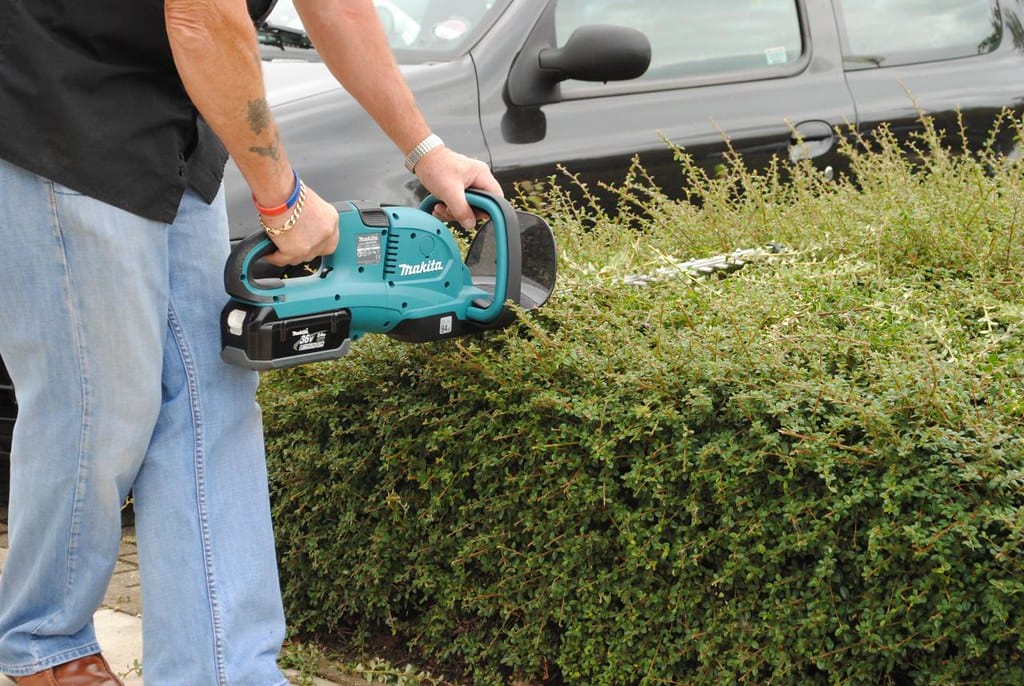
These tools can quickly tear through hedge work. They’re heavier than manual shears but much faster. Just make sure you follow safety guidelines—these things are no joke.
Pruning Saws: When Branches Get Serious
If you’re dealing with branches over 2” thick, a pruning saw is what you need. They come in all sizes—from compact folding saws to heavy-duty bow saws.
- Folding saws: Handy, lightweight, and perfect for smaller jobs or tight spots.
- Bow saws: Better for larger limbs or cutting firewood.
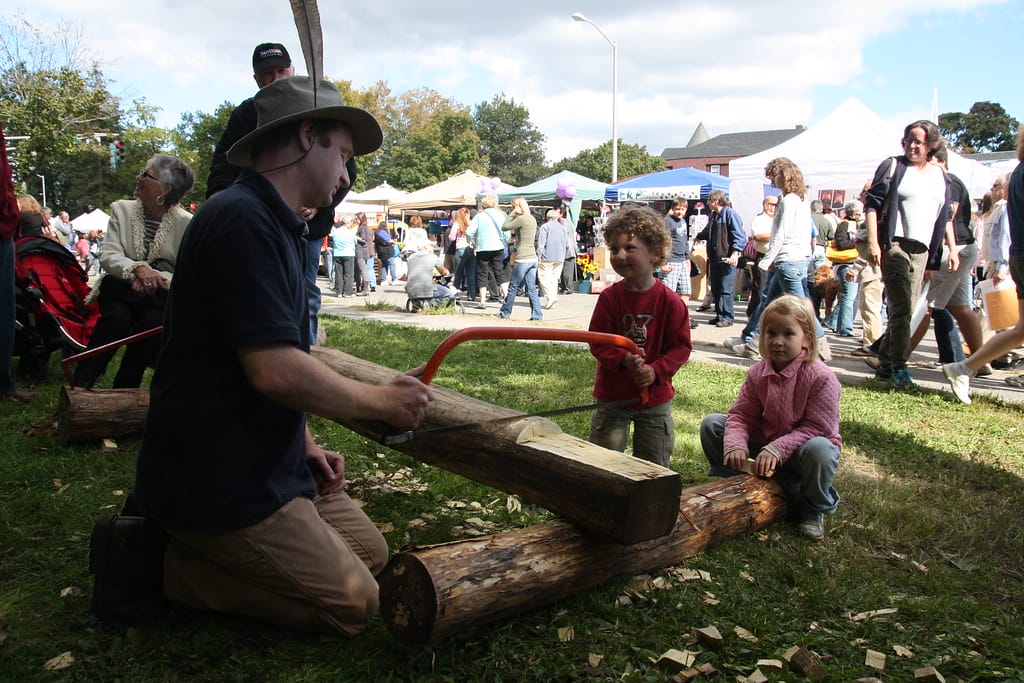
Make sure your saw is at least 20% longer than the diameter of the limb you’re cutting—this makes sawing easier and faster.
Bonus: Folding saws are also great to have on hand for camping or trail maintenance.
Pole Pruners & Pole Saws: For High-Up Work
These are precisely what they sound like: loppers or saws mounted on long poles to help you reach high branches without a ladder. Some are manual (with ropes to pull the blades), while others are powered (essentially a chainsaw on a stick).
Manual Pole Tools
Manual pole saws and loppers can extend up to 15-20 feet. They work well, but they’ll give your arms a serious workout—especially if you’re cutting thicker limbs.
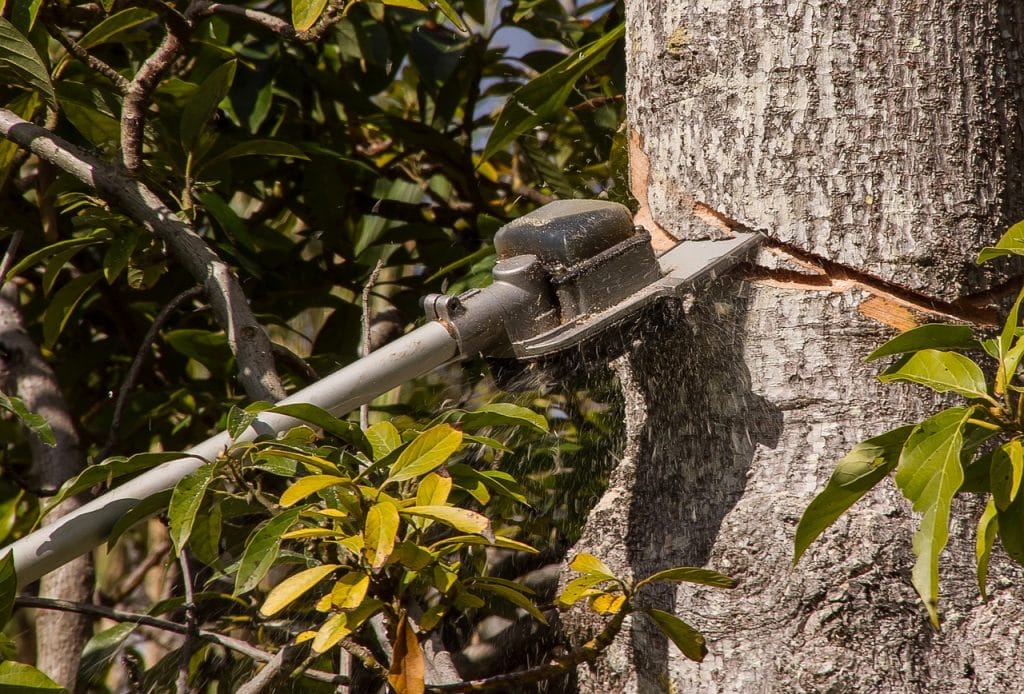
Powered Pole Saws
If you’re trimming trees regularly, consider an electric or gas-powered pole saw—less physical effort, more speed—but also more weight and more safety concerns. Always wear eye protection.
Taking Care of Your Tools
Clean After Every Use
Wipe down blades with rubbing alcohol to kill any plant diseases. After that, clean off dirt and apply a light coat of oil (3-in-1 oil works great). Just don’t use WD-40 as a lubricant—it’s a degreaser.
Sharpening
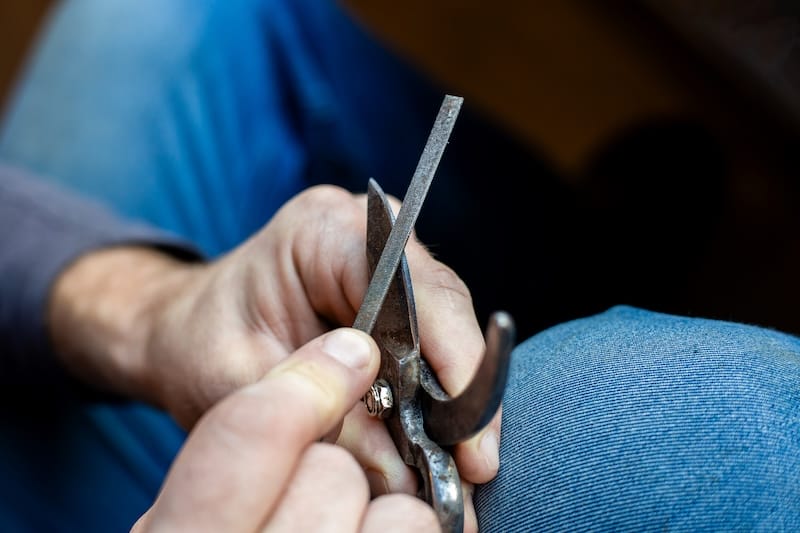
Blades should be somewhere between a butter knife and a steak knife. Too dull and they crush instead of cutting; too sharp and the edge won’t last long.
A quick file every season or so is usually enough. Clamp the blades together or disassemble them for easier sharpening.
What Should You Actually Buy?
There are tons of brands, but two stand out for quality and value:
- Fiskars: Great value, and they offer a solid lifetime warranty. I’ve used it myself, and they replaced the tool—no hassle.
- Corona Tools: A bit more premium, but they’re easier to maintain, and many are made in the USA.
If you want tools that will last and are easy to sharpen, go with Corona. For excellent support and value, choose Fiskars.
Picking the Right Tool for the Job
Here’s a quick cheat sheet:
JobBest Tool
Trimming flowers, herbs, or leafy stems – use hand pruners or shears
Cutting back ornamental grasses – use shears (manual or powered)
Shaping hedges – use hedge shears or trimmers
Pruning small shrubs – use hand pruners (under 1.5”) or loppers
Removing medium branches – use loppers (1.5–3”)
Sawing thick branches – use pruning saws or pole saws
Reaching high limbs – use a pole pruner or powered pole saw
When to Prune (and Why It Matters)
Shrubs & Bushes
Late winter to early spring is ideal—before insects emerge but after the worst of the cold has passed. Pruning during this window gives the plant time to scab over before pests can infect the wounds.
And always, always sterilize your tools between plants.
Trees
The same rule applies to shrubs—late winter or very early spring is the safest time. Cutting during warm weather increases the risk of insect-borne disease and stress on the tree.
Final Thoughts
There might be a ton of pruning tools on the market, but most fall into just a few main categories. Once you understand which tool works best for which job—and how to care for them—you’ll be in a much better spot to tackle your yard confidently and efficiently.
And remember: just because it’s a nice day doesn’t mean it’s the right time to prune. Be smart about timing, and your trees and shrubs will thank you come spring.
Factual Anchors
These truths support the importance of pruning and choosing the right tools:
1. Gardening Love is growing—fast!
Interest in home gardening has surged over the last decade, particularly since 2020. According to the National Gardening Association (garden.org), nearly 77% of U.S. households participated in gardening activities in the past year.
2. Proper pruning improves plant health
According to Iowa State University Extension, proper pruning encourages healthy growth, prevents disease, and improves flowering and fruiting in many shrubs and trees.
3. Different pruning techniques and tools matter
According to the University of Florida IFAS Extension, selecting the correct pruning tool (such as bypass vs. anvil) directly affects how well the plant heals and whether wounds invite pathogens.
4. Pruning at the right time prevents disease
Both Clemson Extension and Oregon State University emphasize pruning in late winter to early spring before new growth is noticed to reduce disease risk and improve healing.
🔍 FAQ: Common Pruning Tool Questions
What are the best pruning tools for beginners?
Get a good pair of hand pruners, loppers, and manual shears. Brands like Fiskars and Corona offer great starter tools.
What is the difference between bypass and anvil pruners?
Bypass pruners use two curved blades that pass by each other, making them ideal for use on live plants.
Anvil pruners have a single blade that cuts against a flat surface, making them better suited for cutting dead wood.
When is the best time to prune trees and shrubs?
The best time to prune most trees and shrubs is late winter or early spring—after the coldest part of winter, but before new growth starts.
How do I maintain pruning tools?
Clean blades after use, disinfect them with rubbing alcohol between plants, oil moving parts as needed, and sharpen blades once a year or as necessary.
Can pruning the wrong way harm a plant?
Yes—improper cuts can stress the plant, invite disease, or stunt growth. Always cut just above a bud or branch junction at a slight angle.
Cited & Trusted Sources
Share this post
Disclosure: This article may contain affiliate links. If you purchase through these links, The Bright Garden may earn a commission at no extra cost to you.
Table of Contents
- Pruning Tools Made Simple for New Gardeners
- The Main Types of Pruning Tools
- Hand Pruners: Small but Mighty
- Bypass vs. Anvil Pruners
- A Note on Fit
- Ratcheting Pruners
- Loppers: Bigger Cuts, More Power
- Shears: For Shaping, Not Cutting Wood
- Manual Shears
- Powered Hedge Trimmers
- Pruning Saws: When Branches Get Serious
- Pole Pruners & Pole Saws: For High-Up Work
- Manual Pole Tools
- Powered Pole Saws
- Taking Care of Your Tools
- Clean After Every Use
- Sharpening
- What Should You Actually Buy?
- Picking the Right Tool for the Job
- When to Prune (and Why It Matters)
- Shrubs & Bushes
- Trees
- Final Thoughts
- Factual Anchors
- 1. Gardening Love is growing—fast!
- 2. Proper pruning improves plant health
- 3. Different pruning techniques and tools matter
- 4. Pruning at the right time prevents disease
- 🔍 FAQ: Common Pruning Tool Questions
- Cited & Trusted Sources
About the Author

Nicole Stark
Nicole started The Bright Garden after years of hands-on learning in her own backyard, where she fell in love with healthy soil, native plants, and gardening the natural way. She shares honest, experience-based tips and enjoys time outdoors — gardening, fishing, and slow living with family. Gardening style: Organic, a little wild, always evolving. Current favorites: Worm bins, pollinator plants, backyard dinners.
Explore More
Free gardening tools, finders and interactive guides to help you grow better.