Outdoor Pond Ideas: Create a Backyard Water Feature Oasis
 Written by
Eco Systems Ponds & Water Features
I’ll be honest — when I first started dreaming about having a pond in my yard, I pictured something out of a postcard: water lilies floating, frogs croaking in harmony, maybe even a koi fish or two gliding around like they were in a zen commercial. What I got at first? A mosquito breeding pit and some very confused goldfish. But like most things in gardening, you live, you learn, and eventually, you figure out what works for you.
If you’ve been thinking about adding a pond to your space — whether it’s a big backyard setup or something small tucked into a corner — here are some real-deal ideas to get you inspired, and maybe even save you from making the same muddy mistakes I did.
What Is Your Why For Building A Pond
Before you grab a shovel (or start price-checking pond liners), ask yourself: What do I want this pond to do? Is it a peaceful focal point for your garden? A home for frogs and dragonflies? A mini ecosystem with fish and plants? Or maybe you just want the calming sound of water nearby when you’re sipping coffee on the patio.
Knowing your “why” helps shape everything — size, location, depth, and the level of maintenance you’re signing up for. Here are some big questions and suggestions from the lilypad.
Big Backyard? Go Natural
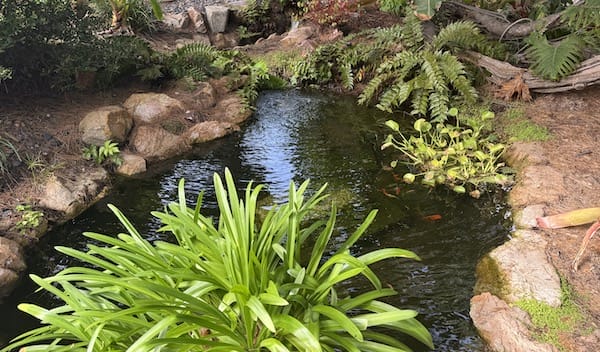
If you’ve got the space, I’m a huge fan of natural-style ponds — the kind that blend into your garden like they’ve always been there. No plastic edges, no neon lights. Just rocks, gravel, native plants, and water that looks like it belongs.
You don’t have to go full wildlife preserve, but adding native pond plants along the edges (think pickerelweed, horsetail, or creeping jenny) helps filter the water and attracts pollinators. Plus, it just looks right. And if you’re wondering what’s swimming in there, let me tell you — frogs will find your pond faster than your neighbor finds your tomatoes. Trust me.
Short on Space? Container Ponds Are Magic
If you’re working with a smaller yard — or even a balcony — don’t think ponds are off the table. A half whiskey barrel, galvanized tub, or even a big ceramic pot can become a miniature water garden. I’ve made one with a couple of floating plants and a solar-powered bubbler that looked so good, my neighbor asked if I bought it from a catalog.
These setups are great for growing water hyacinths, dwarf lilies, or even just giving thirsty bees and butterflies a place to stop by. Bonus? No digging.
Want Fish? Plan Ahead
Adding fish to a pond is a bit like adding a dog to your home — fun, but now you’ve got responsibilities. If you’re thinking koi or goldfish, go deep. Literally. At least 2 to 3 feet in colder climates to keep them safe in winter, and deep enough in general so raccoons and herons don’t treat it like a buffet.
You’ll also want to add some kind of filtration or aeration. A simple pump with a filter can keep things clean without a lot of fuss. I’ve even seen solar-powered options that do a decent job in smaller setups.
And don’t skimp on hiding places — a few big rocks, some pond plants, and a bit of shade give fish a place to chill (and hide from predators). Think of it as interior decorating for your aquatic roommates.
Let Nature Help with Cleaning
Here’s something I wish someone had told me before my first pond got gunky: water gardens can balance themselves — if you let them. Plants are your best friends here. Marginals around the edge, floaters like duckweed or water lettuce on top, and submerged oxygenators (like anacharis or hornwort) all play a part in keeping the water clean.
Oh, and don’t be too quick to panic if the water turns green at first. That’s normal. Algae blooms come and go, especially in new ponds. It’s like the awkward teenage phase of pond life.
Sound Matters
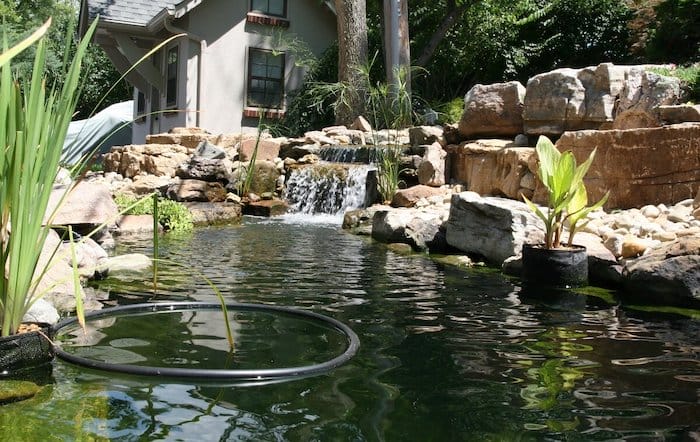
If you’ve ever sat by a trickling creek, you know the magic of water sound. A simple waterfall or a little stream leading into your pond isn’t just pretty — it helps with oxygenation and keeps the water moving (which mosquitoes hate, by the way).
I once built a mini waterfall using stacked flagstone and a hidden pump, and the sound alone made my garden feel ten degrees cooler. There’s just something about that gentle trickle that melts stress.
Think About the Critters
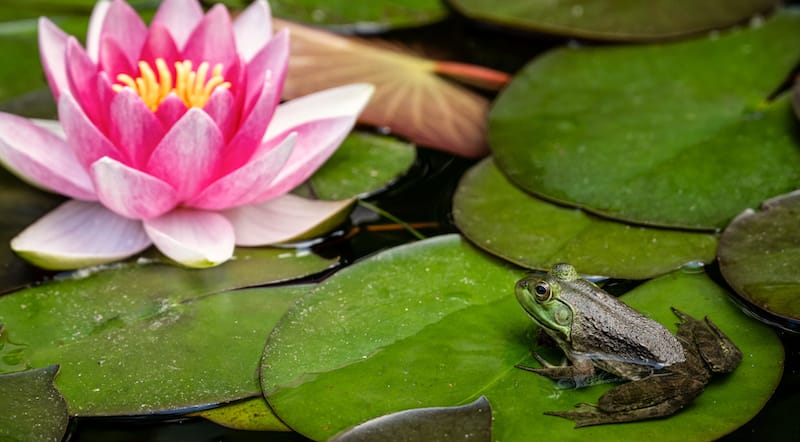
One of the coolest things about having a pond — even a small one — is seeing who shows up. Birds come to bathe, bees land on lily pads, and frogs croak their little hearts out at night. I’ve even had dragonflies patrol my garden like little garden guardians.
If you’re into the “working with nature” approach like I am, this is where it really shines. Your pond becomes part of the ecosystem — not just eye candy.
Just make sure there’s a shallow side or a ramp if you want it to be wildlife-friendly. You don’t want anything getting in and not being able to get back out.
Keep It Low-Stress
I’ll be real: a pond can be a lot of work, especially if you overcomplicate it. But it doesn’t have to be. Start small. Observe. Adjust.
My best advice? Don’t aim for perfection. Let it be a little wild. A few leaves in the water? Fine. A visiting frog? Great. A little algae? It happens. The goal isn’t to impress the HOA — it’s to create a spot that makes you smile when you walk past it.
Final Thoughts
Adding a pond isn’t just about the water. It changes the whole feel of a space. It invites life in. It slows you down. It’s one of those things that, once you do it, you’ll wonder how your garden ever felt complete without it.
So whether you’re filling a whiskey barrel or carving out a backyard oasis, give it a shot. Get your hands dirty, see what happens, and let nature do some of the work.
And hey — if your first try doesn’t go as planned? Welcome to the club. That just means you’re doing it right.
If you want follow-up posts on pond plants, troubleshooting murky water, or DIY waterfall ideas, just let me know. I’ve got more pond stories (and mistakes) than I care to admit.
FAQ: Backyard Pond Ideas
+ Do I need a big yard to build a pond?
No. If space is tight, you can create a container pond in a half whiskey barrel, a large ceramic pot, or a galvanized tub. Add a few floating plants and a small bubbler, and you’ve got a mini water garden that looks great and attracts pollinators.
+ How deep should a pond be if I want fish?
Plan for at least 2 to 3 feet in colder climates to keep koi or goldfish safe through winter. A deeper pond also helps protect them from predators like raccoons and herons. Don’t forget filtration or aeration to keep the water healthy.
+ How do I keep pond water clean without chemicals?
Plants are the best natural filters. Use a mix of marginals around the edge, floaters like water lettuce or duckweed on top, and submerged oxygenators such as hornwort. They help balance the ecosystem and reduce algae naturally.
+ Will a pond attract wildlife?
Yes. Birds, bees, frogs, and dragonflies are often drawn to ponds. If you want yours to be wildlife-friendly, include a shallow shelf or ramp so critters can get in and out safely.
+ Do I need a waterfall or pump?
Not always, but moving water helps. A small waterfall or bubbler adds oxygen, keeps mosquitoes away, and creates that calming sound of trickling water. Even a solar-powered pump can do the trick in smaller ponds.
Share this post
Disclosure: This article may contain affiliate links. If you purchase through these links, The Bright Garden may earn a commission at no extra cost to you.
About the Author

Nicole Stark
Nicole started The Bright Garden after years of hands-on learning in her own backyard, where she fell in love with healthy soil, native plants, and gardening the natural way. She shares honest, experience-based tips and enjoys time outdoors — gardening, fishing, and slow living with family. Gardening style: Organic, a little wild, always evolving. Current favorites: Worm bins, pollinator plants, backyard dinners.
Explore More
Free gardening tools, finders and interactive guides to help you grow better.