How I Found Aphids On My Tomato Plants Despite Daily Checks in June
 Written by
Garden Pests Spring & Sumer Gardening
Finding aphids on tomato plants can be frustrating. It is especially tough when you feel like you’re already doing everything right. The good news is that tomato plants are tougher than they look. If you catch an infestation early and take a few simple steps, the plants usually recover without much trouble. That proved a lesson my own garden reminded me of this week.
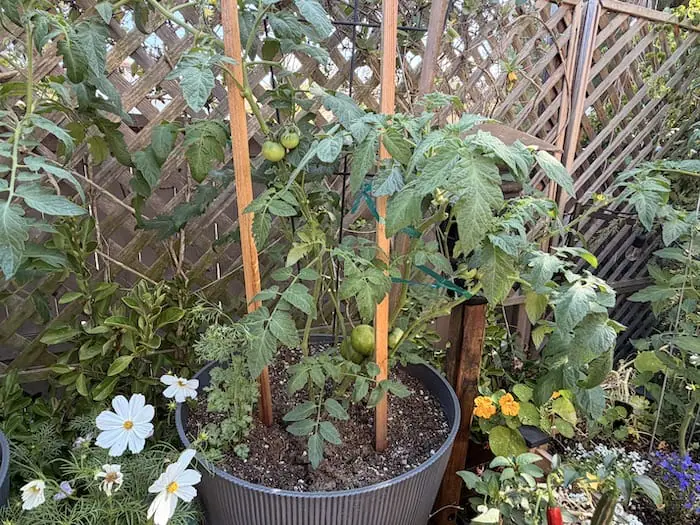
Every morning before work, I grab some iced tea and walk through the garden to see what changed overnight. June is my favorite month because everything grows fast, tomato plants stretch, blossoms turn into fruit, and each day brings something new. I check for cracked tomatoes, look over the leaves for problems, and test the soil’s moisture and pH to make sure everything is okay.
I thought I had things under control. Then I noticed one branch on a tomato plant covered with aphids.
The biggest surprise wasn’t finding the aphids. It was realizing how long they had probably been there. I had walked by that plant almost every day and still missed it. Gardening shows that even when we pay close attention, it’s easy to overlook something.

The Clue Wasn’t the Aphids
The first thing I noticed wasn’t a group of insects. Instead, I saw a few tiny white specks on one leaf. At first, I thought it was just dust or pollen, but something felt off. When I turned the leaf over, I found the answer.
The underside of the leaf was full of aphids feeding along the veins. The little white specks were actually their shed skins. Aphids shed their skins several times as they grow. Seeing those empty shells showed me this problem had been there for a while. The colony had been growing quietly while I admired the tomatoes nearby.
That moment taught me to look more closely. Now, every few days, I flip over the leaves because the real story often hides underneath.

Why Aphids Show Up in June
If you’ve ever wondered why aphids seem to show up overnight, it’s usually because of June. Tomato plants grow lots of soft new leaves, which aphids love. Warm weather helps them reproduce quickly. Just a few insects can turn into hundreds before you notice any damage.
One early sign is leaves that curl a little. Ants are another clue. Aphids make a sweet substance called honeydew, and ants often protect them to get it. If you see ants going up and down your tomato plants, check under the leaves for aphids.

What I Did to Get Rid of Them
Fortunately, the worst infestation was on a branch I had already planned to prune, so I clipped it off and removed it from the garden. This immediately eliminated a large portion of the aphids. Afterward, I sprayed the remaining plant with Captain Jack’s Tomato & Vegetable Spray, an organic product I always keep on hand. This spray uses spinosad, a naturally derived substance produced by soil bacteria, which acts on the insect nervous system by causing paralysis and eventual death upon direct contact. With any contact spray, it is important to thoroughly cover the entire plant, particularly the undersides of leaves, where aphids tend to hide.
When I checked the plant the next morning, I still found a few aphids. This is expected, as organic sprays typically act only upon direct contact with the pests and do not provide any residual protection against future infestations. Because of this limitation, I gave the plant another light spray and will continue to monitor it every few days until I am confident the aphids have been completely eliminated.
Reflecting on this experience demonstrates that careful observation and timely intervention are more effective and sustainable for managing aphid infestations than relying on a single solution. By consistently monitoring for early signs of pests and acting promptly, I learned that problems can be addressed before they escalate, reinforcing the value of engaged, proactive gardening practices.
Let Nature Lend a Hand
One reason I like organic gardening is that my garden already has lots of helpers. Beneficial insects such as ladybugs, lacewing larvae, hoverflies, and tiny parasitic wasps play a direct role in controlling aphid populations by feeding on them, often preventing infestations from becoming severe. For example, last summer, I noticed an increase in ladybugs as soon as aphid numbers started to rise. Over the course of a week, I observed several ladybug larvae and even a few tiny parasitic wasps clustered on my tomato plants, feeding on aphids and reducing their numbers before the infestation could get out of control. Their presence is especially valuable when aphid numbers are still low, as they can quickly suppress outbreaks before substantial damage occurs. This personal experience is also why I avoid using broad-spectrum pesticides whenever possible. These sprays don’t just kill pests—they can also get rid of the helpful insects working in your garden.
I’ve also started planting more companion plants around my vegetables. Nasturtiums often attract aphids before they reach my tomatoes. Marigolds attract pollinators and beneficial insects. These aren’t magic fixes, but together they help make the garden healthier and more balanced.
A Good Reminder Every Gardener Needs
The central lesson I gained from this week extended beyond the immediate tasks of pest management or branch pruning, prompting a deeper reflection on my overall approach to gardening.
I learned that truly observing my garden is more important than simply spending time there.
Despite years spent practicing organic gardening and learning by trial and error, my experience continues to remind me that unpredictability defines horticulture. Unexpected challenges force me to adapt and reconsider my approach, prompting deeper observation and ongoing learning. In this way, the garden’s surprises become valuable lessons, underscoring that every season offers new opportunities to grow as both a gardener and an observer of nature.
Tomorrow morning, I’ll head outside with my iced tea just like always. I’ll admire the tomatoes and enjoy the fresh growth. I’ll probably smile at how quickly everything is filling in. But before I move on, I’ll flip over a few leaves.
This new habit has reinforced the importance of engaged, intentional observation rather than relying solely on established routines. Through this increased attentiveness, I not only gain deeper personal insight into my plants’ needs but also translate that awareness into practical strategies, such as routinely checking the undersides of leaves and promptly removing affected branches. As a result, I am better equipped to notice subtle changes early, implement effective interventions, and promote both healthier plants and more resilient gardening practices.
Quick Tips for Checking Tomato Plants for Aphids
- Inspect the undersides of leaves every few days.
- Pay extra attention to tender new growth.
- Look for white shed skins and live aphids.
- Watch for ants climbing your tomato plants.
- Prune heavily infested stems when practical.
- Spray underneath the leaves where aphids are feeding.
- Recheck plants after a day or two and retreat if needed.
- Encourage beneficial insects by avoiding broad-spectrum pesticides.
Frequently Asked Questions
Aphids reproduce very quickly during warm weather. A small colony can grow into hundreds in less than a week.
They’re usually the shed skins left behind as aphids grow. Seeing them often means the infestation has been developing for several days.
Usually not. Healthy tomato plants recover well when aphids are managed early.
Every day or two is ideal. It only takes a minute to inspect a few leaves, and catching aphids early makes them much easier to control.
Share this post
Disclosure: This article may contain affiliate links. If you purchase through these links, The Bright Garden may earn a commission at no extra cost to you.
About the Author

Paul Stark
Paul Stark is one of the gardeners behind The Bright Garden, where he shares hands-on, honest advice for growing with nature. A passionate conservationist, Paul has planted over 100,000 trees in Madagascar to help fight deforestation. He’s also a former marine mammal rescuer. These days, you’ll find him in the garden with dirt under his nails, growing seedlings.
Explore More
Free gardening tools, finders and interactive guides to help you grow better.