
After the Rain: What the Worms Are Really Telling Us
 Written by
Good Bugs Worms
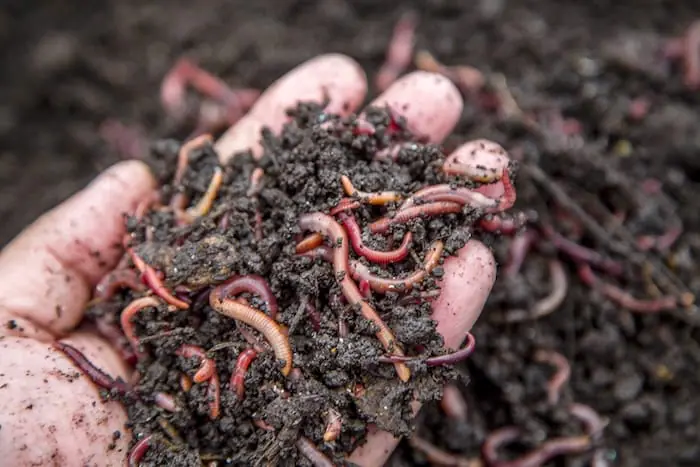
After a heavy rain, most gardeners step outside to inspect their plants. We check for broken stems, pooled water, and washed-out mulch. However, another important sign often appears after a soaking storm — earthworms scattered across driveways, sidewalks, and patios. While it may seem like a small detail, those stranded worms reveal a much larger picture of soil health. A big rain does not just water a garden; it exposes the living system beneath it. Once we notice those worms, it becomes hard not to think about what they need and whether our gardens provide the right conditions for them to thrive.
Three straight days of rain will do that, and for me, it makes me ache to collect a few of these juicy wormies and take them on my next fishing trip.
When the sky finally cleared here, the yard felt like a sponge. I walked out to check the raised beds, and there they were — worms everywhere. In the walkway cracks. Along the driveway. A few stretched out on the patio like they had taken a wrong turn. Not to fear, worms are a great sign for a healthy garden.
But once you see that many, you start asking questions.
Why Worms Come to the Surface After Heavy Rain
It can look dramatic, almost like they surfaced overnight on purpose. In reality, worms live underground all the time. The problem during heavy rain is oxygen.
Worms Breathe Through Their Skin
7th-grade biology teaches us that earthworms breathe through their skin and need to stay moist to function properly. When soil becomes saturated with water, oxygen levels drop significantly. Without enough oxygen in their tunnels, worms move upward to avoid suffocation.
Coming to the surface is a survival response.
Unfortunately, pavement is not a safe place for long. If the sun appears quickly, worms can dry out. If birds arrive first, the outcome is obvious.
That is why gardeners often feel the urge to intervene.
What Worms Need to Survive and Thrive
Seeing worms scattered after a storm leads to a practical question: what do they actually need?
The answer is simple.
- Moist but well-drained soil
- A steady supply of organic matter
- Protection from extreme heat and cold
- Minimal disturbance
Worms feed on decomposing plant material such as leaves, compost, and dead roots. When soil contains consistent organic matter and remains covered with mulch, worm populations naturally grow. When soil is bare, compacted, or frequently tilled, worm numbers decline.
Their presence is not random. It reflects the soil’s condition.
The Role Worms Play in Soil Health
For many years, I thought worms were just a pleasant bonus — a sign that things were going reasonably well. Over time, I began to understand their role more clearly.
Natural Soil Aerators
As worms move through soil, they create tunnels. These channels improve airflow and water movement. In wet seasons, tunnels help drainage. In dry seasons, they allow water to penetrate deeper into the root zone.
Builders of Better Structure
Worm castings — the material they leave behind — are rich in nutrients and beneficial microbes. Castings improve soil structure, making it crumbly and easier for plant roots to grow.
In beds where I apply shredded leaves every fall, worm activity is obvious by spring. The soil feels soft and balanced. In areas where I once left soil bare for a season, the difference is noticeable — tighter soil, fewer signs of life.
Worms respond to consistent care.
Why Don’t I Have Worms?
If your lawn is thin, patchy, and slow to grow, the lack of worms may be part of the problem. Compacted soil, low organic matter, and years of heavy chemical treatments can make the ground hard and lifeless. Worms need food and air pockets in the soil to survive. When those are missing, they disappear — and without their tunneling and castings, grass roots struggle even more. Often, improving the soil beneath the lawn is the first step toward fixing the grass above it.
Should You Rescue Worms After a Storm?
After heavy rain, it is reasonable to gently move worms off hot pavement and back toward the soil. Placing them under mulch in a cool, damp area can help them recover.
However, relocating large numbers does not permanently increase worm populations.
Worm Populations Follow Food Supply
Worm numbers expand when food and habitat allow. If your beds contain compost, leaf mulch, and active root systems, worms will multiply naturally. If those conditions are absent, simply adding more worms will not solve the underlying issue.
Instead of focusing on collecting worms after every storm, it may be more helpful to ask:
- Is the soil consistently fed with organic matter?
- Is it protected with mulch?
- Is disturbance kept to a minimum?
Healthy practices build worm populations over time.
Considering a Worm Farm Kit
For gardeners inspired by seeing worms emerge from the soil, a worm farm kit can be an interesting option.
What a Worm Farm Does
Most worm farm kits use red wigglers housed in stacked bins. Kitchen scraps are added regularly, and over time, the worms convert food waste into nutrient-rich castings.
The process is efficient and contained. Instead of sending vegetable scraps to the trash, they become compost.

Is It Worth It?
A worm farm is not required for a healthy garden. Compost added directly to garden beds can support strong worm populations on its own.
However, for gardeners who enjoy tending small systems, a worm bin can be satisfying. It provides:
- A steady supply of concentrated castings
- A productive use for kitchen scraps
- A hands-on way to observe soil biology
It does require attention. Moisture must be balanced. Overfeeding can create odor. Extreme temperatures must be managed. But for many gardeners, especially those curious about soil life, it can be a worthwhile project.
An Important Caution About Moving Worms
In some regions, invasive jumping worms have become a concern. These worms behave differently from common nightcrawlers and can disrupt soil structure.
Before relocating worms or introducing new ones, it is wise to check what species are common in your area. Protecting soil health extends beyond individual garden beds.
What Heavy Rain Ultimately Teaches Us
A soaking rain reveals more than puddles and flattened stems. It highlights the living system beneath the surface. Worms appearing on driveways and sidewalks are not just an inconvenience; they are evidence of soil responding to extreme conditions.
For gardeners, this moment offers perspective.
The healthiest gardens are built through steady habits — adding compost year after year, keeping soil covered, and minimizing unnecessary disturbance. When these practices are consistent, worms naturally settle in.
Starting a worm farm can be a productive and enjoyable extension of that awareness. Gently helping stranded worms after a storm is reasonable. But long-term soil health depends less on rescue efforts and more on consistent care.
The real measure of a garden is not only what grows in sunlight, but also what thrives beneath it.
Share this post
Table of Contents
- Why Worms Come to the Surface After Heavy Rain
- Worms Breathe Through Their Skin
- What Worms Need to Survive and Thrive
- The Role Worms Play in Soil Health
- Natural Soil Aerators
- Builders of Better Structure
- Why Don’t I Have Worms?
- Should You Rescue Worms After a Storm?
- Worm Populations Follow Food Supply
- Considering a Worm Farm Kit
- What a Worm Farm Does
- Is It Worth It?
- An Important Caution About Moving Worms
About the Author

Nicole Stark
Nicole started The Bright Garden after years of hands-on learning in her own backyard, where she fell in love with healthy soil, native plants, and gardening the natural way. She shares honest, experience-based tips and enjoys time outdoors — gardening, fishing, and slow living with family. Gardening style: Organic, a little wild, always evolving. Current favorites: Worm bins, pollinator plants, backyard dinners.
Interactive Guides



All categories
More From The Garden





Disclosure: This post may contain affiliate links. That means if you click and buy, The Bright Garden may earn a small commission, at no extra cost to you. We only recommend products we’ve vetted and believe will benefit our readers.