
Garden Containers: Size and Style Made Simple
 Written by
Container Gardening Garden Design
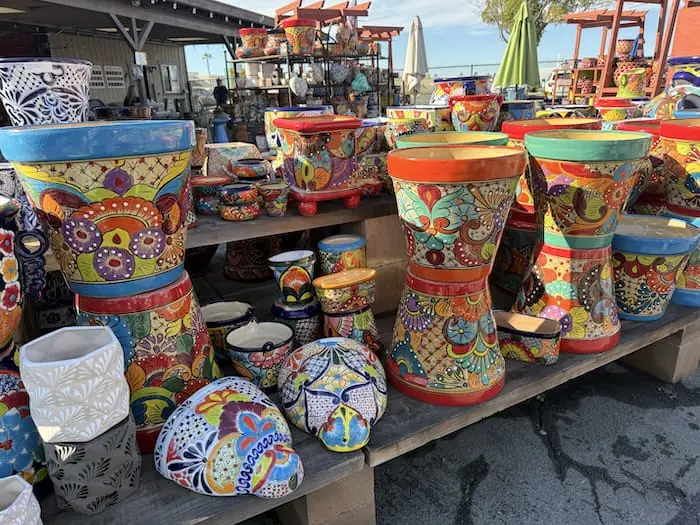
Choosing the right containers and pots is one of the most important decisions you’ll make in container gardening. While plants often get all the attention, the pot you select directly affects root health, moisture levels, temperature control, and long-term growth. Size, material, drainage, and even color all play a role in how well your plants perform. At the same time, containers bring their own pizazz and cultural flair to a space, and that visual inspiration matters too. A beautifully shaped clay pot with a Mediterranean feel or a brightly glazed container with bold patterns can draw you in and make you want to linger in the garden a little longer. A beautiful plant in the wrong container can struggle, while an average seedling in the right pot can thrive. Understanding how these practical and personal factors work together makes gardening easier and far more rewarding — which brings us to the one container lesson most gardeners learn the hard way.
First Things First: Size Isn’t Just About Looks
I know it’s tempting to pick a container based on style. I’ve done it. That gorgeous little pot calls your name… and then your tomato roots hit the wall by July.
Here’s what I’ve learned from years of trial and error, and a fair bit of digging plants back out.
Bigger is usually better.
Larger pots:
- Hold moisture longer
- Give roots room to stretch.
- Buffer temperature swings
- Support healthier soil life.
According to many extension programs, including guidance from university horticulture departments like Purdue Extension, container-grown vegetables perform best when roots have adequate soil volume and consistent moisture. Small pots dry out fast. That’s just physics.
If you’re growing herbs, lettuce, or annual flowers, smaller containers can work fine. But tomatoes, peppers, dwarf fruit trees, even cucumbers in containers? Give them space. A 5-gallon container is often the starting point for serious crops.
I treat container size like compost. I’ve never regretted adding more.
Clay Pots: Classic, Breathable, and a Bit High Maintenance

Let’s start with clay, or terra cotta. They have that warm, earthy look. They feel honest. Like they belong in a garden.
Clay pots are porous. That means they breathe. Air moves through the walls. Excess moisture can evaporate.
For plants that hate soggy roots, like rosemary or lavender, that’s a gift.
But here’s the catch.
Because clay breathes, it also dries out faster. In the middle of summer, you may need to water daily. Sometimes twice.
I learned this the hard way with a row of clay pots on my patio one July. I thought I was doing everything right. Good soil. Compost mixed in. Beautiful seedlings. Then a heat wave rolled through, and I couldn’t keep up with watering. The clay pulled moisture from the soil like a sponge in reverse.
Clay pots are also heavier than plastic and can crack in freezing weather if left outside.
Still, I use them. Especially for Mediterranean herbs and for areas where I want that old-world feel. They add soul to a space. And gardening, at least for me, is about creating peaceful corners that feel lived in.
Plastic and PVC Pots: Practical and Lightweight
Plastic containers sometimes get a bad reputation for looking cheap. But let’s be honest. They’re practical.
They’re lightweight. Easy to move. Less expensive. And they hold moisture longer because they’re not porous.

For most home gardeners, the risk of harmful chemicals leaching from standard, food-safe plastic pots into soil is considered very low, especially when using containers labeled for gardening use and avoiding old, brittle plastics not intended for growing food. This is definitely something to consider when choosing your container.
For busy gardeners or anyone in a hot climate, plastic can make life easier. You won’t be racing outside every afternoon with a watering can.
Research from extension services often emphasizes consistent moisture as one of the most critical factors in container success. Plastic helps with that consistency.
But they do heat up quickly in direct sun. Dark-colored plastic can turn root zones into ovens in July. If you live in a hot region, lighter colors help reflect heat.
I’ve used plastic pots for hydroponic experiments and seed-starting projects in my garage. They’re flexible. Forgiving. Good for testing ideas before committing to something heavier or more permanent.
If you’re growing vegetables on a balcony or deck and need to move pots around to chase the sun, plastic makes it easy.
Concrete and Stone Pots: Solid, Stable, and Long-Term

Now we’re talking commitment.
Concrete containers are heavy. Once they’re placed, they’re staying put. But that weight brings stability. They won’t tip in the wind. They insulate roots better than plastic, buffering both heat and cold.
For small trees or perennial shrubs, concrete can be a strong choice. Especially if you’re creating a permanent focal point.
I’ve never personally planted trees from seed in large concrete containers while they establish, but I do love working with trees, especially palms and dwarf fruit trees. I have watched a friend start something as a seed, and it is very cool to watch it slowly stretch upward and grow on weekly visits. It changes how you see time. Concrete pots feel fitting for that kind of long-term thinking.
The downside?
Cost. Weight. And drainage can vary depending on the design. Always check for drainage holes. If there aren’t any, you’ll need to add them or use the pot as a decorative outer shell.
Extension resources, including university horticulture programs, stress that drainage is non-negotiable in containers. Roots need oxygen. Waterlogged soil suffocates them.
Concrete also holds moisture longer than clay, which can be helpful in hot climates.
What About Style and Color?
This is where personality comes in.
One color or multi? Are you going for zen or ethnicity?
Neutral pots let your plants shine. Bright pots add cheer (in my opinion) even before anything blooms.
I tend to mix it up. Some quiet tones. Some playful splashes. Gardens should feel alive. Then again, some of my friends like all white and let the flowers, shrubs, veggies, or trees be the pop.

But remember this. Dark colors absorb heat. Light colors reflect it. That affects root temperature. According to research shared by university extension programs, extreme root-zone heat can stress plants and reduce growth.
So if you’re gardening in a hot, sunny space, that jet-black container might look sharp, but could make roots work harder.
A Few Practical Tips From Years of Experimenting
Here’s what I tell friends who are just starting container gardening:
- Always check for drainage holes. No exceptions.
- Use quality potting mix. Garden soil in pots compacts too easily.
- Match pot size to plant size. When in doubt, go bigger.
- Consider your climate. Hot, dry conditions favor plastic or concrete. Mild and rainy weather can work well with clay.
- Lift the pot before planting. If you can’t move it empty, you won’t move it full.
I don’t cut corners. I experiment, observe, and adjust. Some seasons, I get it just right. In other seasons, I learn something new.
That’s gardening.
Why It All Matters
Containers aren’t just about convenience. They’re about possibility.
They let you grow food in small spaces. Create beauty where there was bare concrete. Support pollinators on patios. Start trees that might one day shade someone’s yard.
Gardening connects us back to something steady. And even in a simple pot, there’s room to grow something meaningful.
Choose your container like you’re choosing a home for your plant. Because that’s exactly what it is.

FAQ: Containers and Garden Pots
Quick answers for picking pots that actually work outdoors.
What is the best material for outdoor plant pots?
It depends on your climate and how often you water.
- Clay is breathable but dries out faster.
- Plastic holds moisture longer and stays lightweight.
- Concrete is heavy, stable, and great for long-term plantings.
Whatever you choose, make sure it has drainage holes.
Do plants grow better in clay or plastic pots?
Plants can grow well in both — they just behave differently.
Clay improves airflow to roots, but you’ll usually water more often. Plastic retains moisture longer, which can help thirstier plants like tomatoes and cucumbers.
How big should a pot be for vegetables?
Most fruiting vegetables (like tomatoes and peppers) need at least a 5-gallon container.
Leafy greens and herbs can grow in smaller pots, but deeper soil almost always supports stronger roots and steadier growth.
Do pot colors affect plant growth?
Yes — mainly because of heat.
Dark pots absorb more heat, which can warm soil and stress roots in hot climates. Light-colored pots reflect sunlight and keep soil cooler.
There’s always something new to learn in gardening. Even after years of planting, composting, experimenting with hydroponics, and growing trees from seed, I still tweak and adjust.
The pot is never just a pot.
It’s part of the whole little ecosystem you’re building. And when you choose wisely, your plants let you know and thrive.
Share this post
Table of Contents
- First Things First: Size Isn’t Just About Looks
- Clay Pots: Classic, Breathable, and a Bit High Maintenance
- Plastic and PVC Pots: Practical and Lightweight
- Concrete and Stone Pots: Solid, Stable, and Long-Term
- What About Style and Color?
- A Few Practical Tips From Years of Experimenting
- Why It All Matters
- FAQ: Containers and Garden Pots
About the Author

Nicole Stark
Nicole started The Bright Garden after years of hands-on learning in her own backyard, where she fell in love with healthy soil, native plants, and gardening the natural way. She shares honest, experience-based tips and enjoys time outdoors — gardening, fishing, and slow living with family. Gardening style: Organic, a little wild, always evolving. Current favorites: Worm bins, pollinator plants, backyard dinners.
Interactive Guides

All categories
More From The Garden
Disclosure: This post may contain affiliate links. That means if you click and buy, The Bright Garden may earn a small commission, at no extra cost to you. We only recommend products we’ve vetted and believe will benefit our readers.