
Did You Know The San Diego Zoo Safari Park Promotes Conservation All Over The World?
 Written by
Conservation Eco Systems
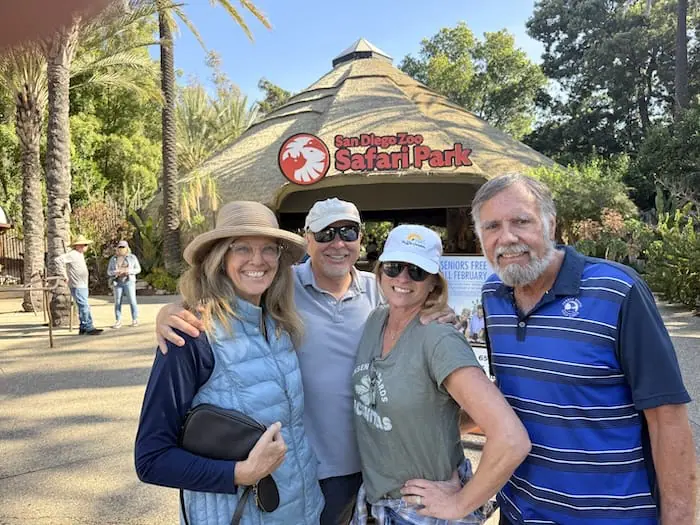
When most people think about the San Diego Zoo Safari Park, they picture giraffes walking across wide open fields, rhinos grazing in the sun, or maybe a cheetah sprinting faster than a car on the freeway.
But here’s something a lot of visitors don’t realize:
The park isn’t just a place to see amazing animals. It’s part of a global mission to protect wildlife and wild places worldwide.
And the cool part? The money from your ticket, your safari ride, your snacks, and even that souvenir hoodie helps make it happen.

Let’s talk about how.
It’s Bigger Than a Zoo

The San Diego Zoo Wildlife Alliance (the organization behind the Safari Park) works on conservation projects in dozens of countries. That means their work stretches far beyond Southern California.
They help protect:
- Elephants in Africa
- Rhinos threatened by poaching
- Condors in California
- Tigers in Asia
- Gorillas in Central Africa
And that’s just the short list.
Instead of only caring for animals inside the park, they focus on protecting animals where they naturally live — in forests, deserts, mountains, and grasslands around the world.
That’s called conservation in the wild, and it’s a huge deal.
How Does a Theme Park Help Save Wildlife?
You might be wondering:
If people are riding trams and eating churros, how does that turn into conservation?
Great question.
When you buy a ticket to the park, part of that money supports wildlife research, breeding programs, habitat restoration, and anti-poaching efforts. The park isn’t just an attraction — it’s also a nonprofit organization. That means its goal isn’t to make a profit for shareholders. Its goal is to protect wildlife.
Every safari tour, animal encounter, educational program, and even the gift shop contributes to that mission.
So when families spend the day learning about animals and having fun, they’re also helping fund real conservation work happening across the globe.
Pretty amazing, right?
Saving Species From Extinction
One of the most important things the Safari Park does is help prevent extinction.
Extinction means a species disappears forever. No more of that animal is left anywhere on Earth.
That’s happened before — like with the dodo bird. Once it’s gone, it’s gone.
The park works with endangered species through breeding programs. This means trained experts carefully match animals to increase healthy populations. The goal is sometimes to reintroduce those animals back into the wild.
For example:
- The California condor nearly went extinct. At one point, there were only 27 left in the world. Thanks to breeding programs and conservation efforts, there are now hundreds flying free again.
- Rhinos, which are heavily targeted by poachers, are protected through research, monitoring, and international partnerships.
Without places like the Safari Park, some of these species might not exist anymore.
Fighting Poaching and Wildlife Crime

Poaching is illegal hunting. It’s one of the biggest threats to animals like elephants and rhinos.
The San Diego Zoo Wildlife Alliance partners with organizations that:
- Train wildlife rangers
- Use tracking technology to monitor animals
- Support local communities so they don’t rely on poaching for income
This is important because conservation isn’t just about animals — it’s about people too.
When local communities benefit from protecting wildlife (through eco-tourism jobs, education, and support), animals are safer.
That’s a long-term solution.
Protecting Habitats
Animals don’t just need protection from hunters. They also need safe places to live.
Forests are being cut down. Grasslands are being turned into farmland. Climate change is affecting ecosystems everywhere.
The Safari Park supports projects that restore habitats — planting trees, protecting water sources, and working with scientists to understand how climate change affects wildlife.
Because saving an animal without saving its home doesn’t work very well.
It’s like saving a fish but draining the lake.
Science Happens Behind the Scenes
When you walk through the park, you see animals relaxing, eating, and interacting. What you don’t always see is the science happening behind the scenes.
Researchers study:
- Animal health
- Genetics
- Behavior
- Reproduction
They collect data that helps conservation efforts worldwide.
For example, understanding how animals reproduce in managed care can help scientists protect wild populations. Genetic research helps prevent inbreeding, which keeps species healthier in the long run.
It’s not just about cute baby animals — though those are a bonus. It’s about making sure entire species survive.
Education: Inspiring Your Kids and Your Kids’ Kids

Here’s something powerful: conservation works best when it inspires people to care.
The Safari Park focuses heavily on education. School programs, summer camps, tours, The Roar and Snore sleepover activity, and interactive exhibits teach visitors about:
- Biodiversity
- Ecosystems
- Climate change
- Human impact on the planet
When middle schoolers see a giraffe up close or hear a zookeeper talk about saving rhinos, something clicks.
It makes wildlife real.
And when wildlife feels real, people are more likely to protect it.
You might even find yourself thinking about a career in biology, environmental science, or wildlife conservation someday.
Sustainable Practices at the Park
The conservation work doesn’t stop overseas. The park also promotes environmentally responsible consumption at home.
They use:
- Water conservation systems
- Renewable energy sources
- Recycling programs
- Sustainable landscaping
This helps reduce their own environmental footprint.
It would be pretty strange to preach conservation while wasting resources, right?
They try to practice what they teach, and they hope you might go home and see what simple things you can do in your own backyard.
Why Fun Matters
Here’s something important: conservation can feel overwhelming.
Climate change. Habitat loss. Endangered species.
That’s heavy stuff.
The Safari Park makes conservation hopeful and exciting. You ride through open habitats. You watch animals interact in large, natural-style environments. You feel connected to the wild world.
That connection builds empathy.
And empathy turns into action.
When conservation feels positive and possible, more people want to be part of it.
Your Visit Makes a Difference
It’s easy to think one ticket doesn’t matter.
But when millions of visitors come each year, those ticket sales add up. They support:
- Global conservation projects
- Wildlife research
- Endangered species recovery programs
- Community partnerships around the world
Your ice cream cone. Your safari photo. Your behind-the-scenes tour.
It all contributes. They even stick to selling products like sun screen that are reef safe and don’t test on animals.

That means a fun family day can actually help protect elephants in Africa or condors in California.
That’s pretty powerful.
Conservation Is a Team Effort
The San Diego Wild Animal Park isn’t doing this alone. They work with governments, scientists, local communities, and conservation organizations worldwide.
Protecting wildlife takes teamwork.
It also takes hope.
The park shows that humans aren’t just a threat to wildlife — we can also be protectors.
And that’s something worth getting excited about.
So Next Time You Go…

Next time you visit the Safari Park, look around with fresh eyes.
That giraffe? Part of a global breeding program.
That rhino? Protected through international conservation efforts.
That school group is listening to a wildlife educator? The next generation of conservationists.
It’s more than a day of fun.
It’s part of a worldwide effort to protect the planet’s most incredible animals.
And you get to be part of it just by walking through the gate.
That’s not just a field trip.
That’s conservation in action.
Share this post
Table of Contents
- It’s Bigger Than a Zoo
- How Does a Theme Park Help Save Wildlife?
- Saving Species From Extinction
- Fighting Poaching and Wildlife Crime
- Protecting Habitats
- Science Happens Behind the Scenes
- Education: Inspiring Your Kids and Your Kids’ Kids
- Sustainable Practices at the Park
- Why Fun Matters
- Your Visit Makes a Difference
- Conservation Is a Team Effort
- So Next Time You Go…
About the Author

Nicole Stark
Nicole started The Bright Garden after years of hands-on learning in her own backyard, where she fell in love with healthy soil, native plants, and gardening the natural way. She shares honest, experience-based tips and enjoys time outdoors — gardening, fishing, and slow living with family. Gardening style: Organic, a little wild, always evolving. Current favorites: Worm bins, pollinator plants, backyard dinners.
Interactive Guides



All categories
More From The Garden




Disclosure: This post may contain affiliate links. That means if you click and buy, The Bright Garden may earn a small commission, at no extra cost to you. We only recommend products we’ve vetted and believe will benefit our readers.