Medicinal Herbs History: How Did We Discover Penicillin From Plants and Mold?
 Written by
Herbs
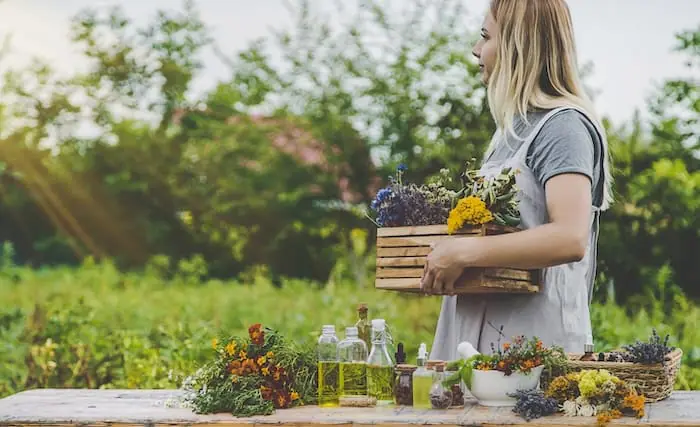
From Backyard Weeds to Life-Saving Medicine
Since the earliest days of human history, medicinal herbs have played a vital role in health and survival. Through observation, experimentation, and the passing down of knowledge, people gradually learned which plants could harm them and which could heal. Over time, this growing understanding laid the foundation for traditional herbal practices and eventually influenced the development of modern medicines such as penicillin. In this article, we will explore how early humans discovered medicinal plants, how that knowledge evolved across civilizations, and how it continues to shape medicine today. To begin, it helps to look at how careful observation guided the very first discoveries.
Let’s walk through how that happened.
The First Healers Were Careful Observers
Long before labs and microscopes, people watched animals.
They noticed deer nibbling certain leaves when injured. They saw apes chewing bitter bark when sick. Even today, researchers observe animals self-medicating with plants. That curiosity goes way back.
Early humans likely learned the hard way. A berry that made someone sick wouldn’t be eaten again. A leaf that soothed a fever? That got remembered.
According to the National Institutes of Health, many modern drugs trace their origins to plant compounds used in traditional medicine for centuries. Aspirin, for example, comes from salicin found in willow bark. Indigenous cultures used willow bark tea for pain long before chemists isolated the compound.
Imagine that first cup of bitter willow tea. Someone had to try it. And someone had to live long enough to say, “Hey, that actually helped.”
That’s gardening-level patience. Observe. Adjust. Try again.
Ancient Civilizations Wrote It Down
As societies grew, so did their knowledge of plants.
The ancient Egyptians recorded medicinal plants in the Ebers Papyrus around 1500 BCE. Garlic, aloe, and juniper were used regularly. The University of Minnesota’s Earl E. Bakken Center for Spirituality & Healing notes that many of these early herbal practices shaped Western medicine.
In China, herbal traditions stretch back thousands of years. In India, Ayurveda built an entire healing system around plants and balance. In Greece, Hippocrates documented plant-based treatments and helped move medicine toward observation rather than superstition.
But here’s the part I love.
These early healers were gardeners. They had to be. You cannot use plants effectively if you don’t understand seasons, soil, harvesting time, and storage. Pick a root too early, and it’s weak. Harvest too late, and it’s woody. Dry it wrong, and you lose potency.
Sound familiar?
Whether I’m starting tree seeds or growing chamomile for tea, timing matters. Soil health matters. Observation matters. The science and the soul are always working together.
Monasteries, Backyard Plots, and Passing It On
During the Middle Ages, monasteries became living pharmacies. Monks cultivated herb gardens filled with sage, thyme, lavender, and rosemary. Knowledge was copied by hand and carefully passed down.
Most healing still happened at home.
Possibly, a grandmother knew which poultice to make for a burn. A neighbor shared cuttings of comfrey or yarrow. Gardens weren’t ornamental luxuries. They were surviving.
And in many ways, they still are.
The U.S. Department of Agriculture reports that interest in home gardening continues to grow as more people want control over their food and health. That reconnecting with soil isn’t new. It’s a return.
We’ve always turned to plants.
Then Came the Accidental Breakthrough: Penicillin
Now here’s where the story takes a sharp turn.
Penicillin wasn’t discovered in a forest or a field. It was found in a messy lab in 1928 by Alexander Fleming. A mold called Penicillium notatum had contaminated one of his petri dishes, and he noticed something unusual. The bacteria around the mold had died.
That mold came from nature. From the same soil we dig in.
According to the Centers for Disease Control and Prevention, penicillin became one of the first true antibiotics and has saved millions of lives since its mass production in the 1940s.
What fascinates me is this. The breakthrough happened because someone paid attention.
Fleming could have tossed that contaminated dish in the trash. Instead, he looked closer. Gardeners understand that instinct. You notice which tomato shrugs off disease. Which basil thrives in heat? Which patch of soil grows stronger year after year when you treat it well?
Penicillin wasn’t magic. It was an observation meeting curiosity.
And it all traces back to the natural world.
From Plant Wisdom to Modern Medicine
Today, many medicines still come from plants or are inspired by compounds first found in nature. For example, paclitaxel, a chemotherapy drug used to treat several types of cancer, was originally isolated from the bark of the Pacific yew tree before scientists developed more sustainable methods to produce it. Researchers also report that a significant share of modern prescription drugs are derived from, or modeled after, natural substances. This isn’t just something from the past. It is still very much part of how medicine is developed today.
The difference is that now we isolate compounds, rigorously test them, and standardize doses. And that’s important. Backyard herbalism and clinical medicine are not the same thing. Safety matters. Research matters.
But the roots are shared.
Plants are quite chemists. They produce compounds to defend themselves from insects, fungi, and disease. Those same compounds can sometimes help us.
Nature has been experimenting far longer than we have.
The Soul of Medicinal Gardening
Here’s something I’ve learned after years of growing organically and working with ecosystems instead of against them.
Plants are teachers.
When you grow echinacea or calendula in your own yard, you start to understand their rhythms. You see which pollinators visit. You notice how soil health affects potency and growth. You respect the whole system.
That perspective changes how you view medicine.
It becomes less about quick fixes and more about balance. Prevention. Supporting the body gently when possible and relying on modern medicine when necessary.
There’s no need to choose one over the other. They grew from the same soil.
And if you’re already tending herbs, composting kitchen scraps, or planting trees to support wildlife, you’re part of that long story. A very old one.
Why This History Still Matters
We live in a time when gardening is booming again. People want to grow their own food. Their own herbs. Their own sense of peace.
There’s something grounding about knowing that the basil on your windowsill belongs to a tradition thousands of years old. There is something delicious about growing your own chamomile flowers, dehydrating them, and making the best sleepy tea you have ever tasted.
We are still learning. Even seasoned gardeners tweak and experiment every year. New research continues to explore plant compounds. Universities and government agencies study how traditional knowledge and modern science intersect.
But the foundation hasn’t changed.
Observe. Respect the soil. Learn from mistakes. Pay attention.
That’s how humanity discovered medicinal plants, and then again, watching your neighbor eat something and get really sick is a big clue as well.
It’s also how we grow better, safer gardens.
FAQ About Medicinal Herbs and Plant-Based Medicine
How did early humans discover medicinal plants?
Mostly through observation and trial and error. I wasn’t there, but it’s a good guess that they watched animals, noticed which plants caused harm or relief, and passed down that knowledge through generations. Over time, this information was recorded by ancient civilizations.
Is penicillin a plant?
Penicillin comes from a mold called Penicillium, which grows naturally in the environment. While it is not a plant, it originates in the natural world and was discovered through careful observation of its effects on bacteria.
Are modern medicines still made from plants?
Yes. According to the National Cancer Institute and other research institutions, many prescription drugs are derived from plant compounds or modeled after them. About 25 percent of modern drugs have plant origins.
Can I replace prescription medicine with herbs from my garden?
Herbs can support wellness, but they are not a substitute for prescribed medication without guidance from a healthcare professional. Modern medicines are carefully tested for safety and dosage. Always consult a qualified medical provider.
Next time you brush past your rosemary or dig into rich compost, remember this.
Somewhere along the line, someone noticed a plant and changed the course of history.
And if you’re anything like me, that makes tending a garden feel even more meaningful.
Share this post
Table of Contents
- From Backyard Weeds to Life-Saving Medicine
- The First Healers Were Careful Observers
- Ancient Civilizations Wrote It Down
- Monasteries, Backyard Plots, and Passing It On
- Then Came the Accidental Breakthrough: Penicillin
- From Plant Wisdom to Modern Medicine
- The Soul of Medicinal Gardening
- Why This History Still Matters
- FAQ About Medicinal Herbs and Plant-Based Medicine
- How did early humans discover medicinal plants?
- Is penicillin a plant?
- Are modern medicines still made from plants?
- Can I replace prescription medicine with herbs from my garden?
About the Author

Nicole Stark
Nicole started The Bright Garden after years of hands-on learning in her own backyard, where she fell in love with healthy soil, native plants, and gardening the natural way. She shares honest, experience-based tips and enjoys time outdoors — gardening, fishing, and slow living with family. Gardening style: Organic, a little wild, always evolving. Current favorites: Worm bins, pollinator plants, backyard dinners.
Interactive Guides

All categories
More From The Garden


Disclosure: This post may contain affiliate links. That means if you click and buy, The Bright Garden may earn a small commission, at no extra cost to you. We only recommend products we’ve vetted and believe will benefit our readers.