
From Farm to Table: What It Means for Fresh, Delicious Eating
 Written by
Farm To Table
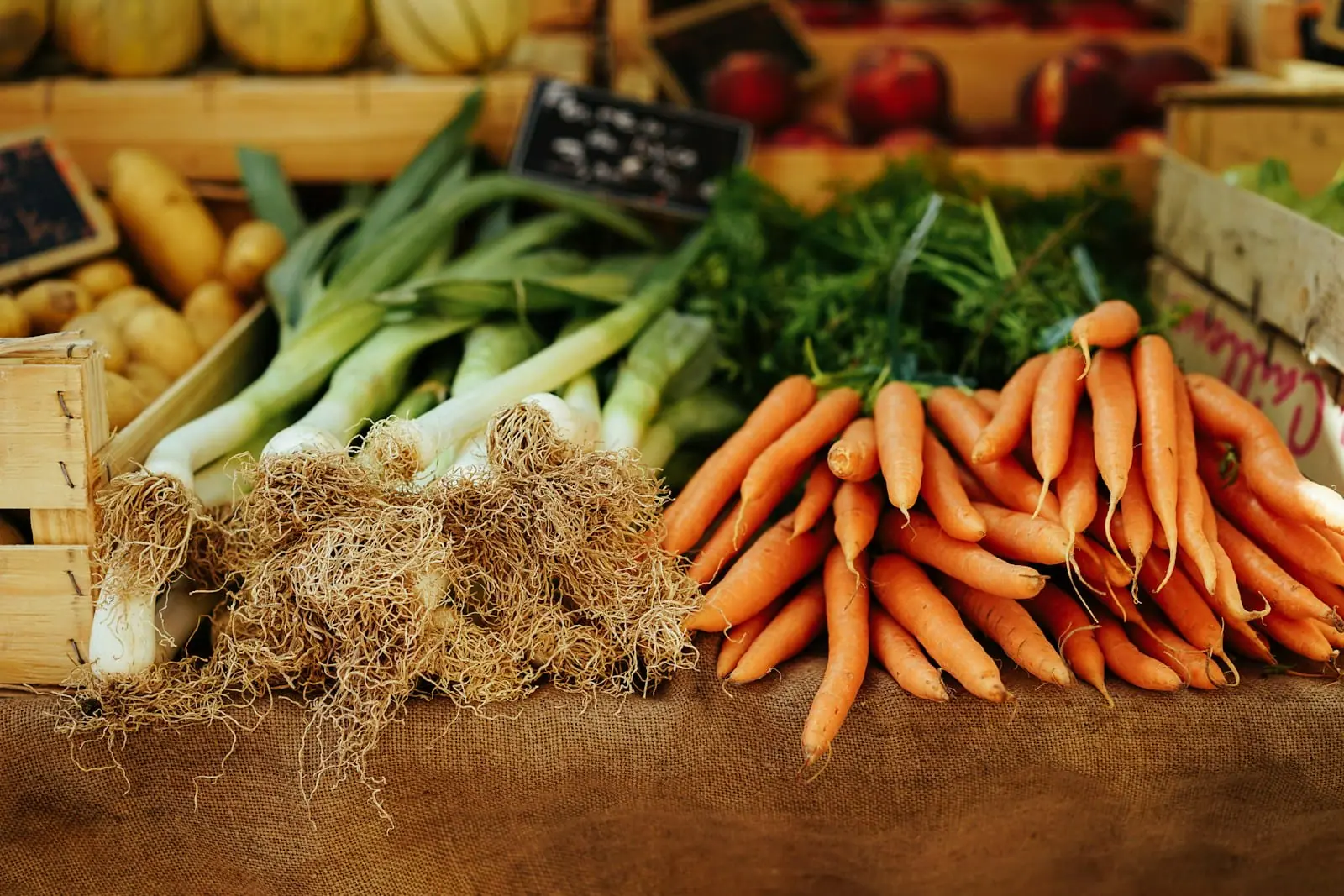
The first time I bit into a tomato still warm from the sun, something clicked. It didn’t taste like the ones from the store — it tasted like a memory I didn’t know I had. Like food was supposed to taste.
That’s when I really started to understand what “farm to table” meant. Not from a menu or a magazine, but from the garden up.
It’s one of those phrases that gets tossed around a lot these days — usually next to words like “artisan” or “crafted” — but under all that marketing, there’s something real. Something worth paying attention to, whether you’re growing a backyard salad or just trying to eat a little better.
So let’s dig in — not into the soil this time, but into what farm to table really means, why it matters, and how you can live it without overhauling your life.

What Does “Farm to Table” Actually Mean?
At its most basic, farm to table means food that comes to your plate as directly as possible from the people who grew or raised it. Fewer trucks, fewer warehouses, fewer labels you can’t pronounce. Ideally, it’s local. Often seasonal. Sometimes organic, but not always.
It’s about shortening the distance between the soil and your fork.
And that doesn’t just mean food grown on a farm. If you’ve got a pot of parsley in the window or a tomato plant climbing a string on your porch, that’s farm to table too. You’re the farm, and your kitchen’s the table.
Why It Matters (Beyond the Buzzwords)
Here’s the thing: when you grow your own or buy directly from the folks who do, you’re not just getting fresher food. You’re stepping into a different rhythm — one that actually makes sense.
Most grocery store produce travels over 1,000 miles to get to the shelf (USDA says it’s closer to 1,500 on average). It’s picked before it’s ripe, packed in cold storage, and often loses flavor and nutrients before it even hits your shopping cart.
Meanwhile, the stuff I pick in the morning tastes alive that same night at dinner.
And I’m not just talking about taste. There’s a peace that comes from knowing where your food came from — who grew it, what went into the soil, whether it was sprayed with something you can’t pronounce. You eat slower. You notice more.
The Homegrown Connection
I started out with some basil in a pot and a half-dead tomato plant I rescued from the clearance rack. Since then, I’ve composted more mistakes than I care to admit. But every year, I learn something new — and every meal with something from my own garden feels like a small win.
That’s the heart of farm to table for folks like us. It’s not about being perfect or growing all your own food. It’s about moving closer to it. Whether that means planting a couple fruit trees, keeping a worm bin under the sink, or picking up a head of lettuce from the farm stand instead of the store.
If you’ve ever tasted a homegrown cucumber side by side with a store-bought one, you already get it.
Not Growing Much? Farmers Markets Still Count
Let’s be honest — we can’t all grow everything. I still hit the farmers market every Saturday, reusable bag in hand, looking like a kid in a candy store. Peaches in July, garlic in fall, eggs so fresh you have to wash off a feather.
Shopping local means the food is fresher, and you’re keeping your money in the community. It also makes you eat with the seasons again. When asparagus shows up in spring, it’s a celebration — not just another option in a plastic tray from Peru.
The best part? You get to talk to the growers. Ask how they raise their chickens or what kind of compost they use. You’ll learn more in a five-minute chat than a dozen food blogs.

What About Restaurants? How to Spot a Real Farm to Table Spot
Sometimes, you just may not feel up to cooking—we’ve all had those weeks. Or perhaps you’re traveling and want a meal that aligns with your usual eating habits at home.
Finding a good option can be challenging. Nowadays, the term “farm to table” is everywhere, but not every establishment that uses it genuinely adheres to those principles. So how do you identify the real deals?
Here’s what I’ve learned: When looking at a menu, search for farm-to-table restaurants that specify the sources of their ingredients. You might find names of particular farms, fishing boats, or regions listed.
Pay attention to seasonal variety. If the menu changes frequently, that’s a positive sign, as fresh ingredients are typically sourced according to the seasons.
Don’t hesitate to ask questions. Inquire about where they get their greens or whether the meat is pasture-raised. If they are committed to quality, they will be eager to share this information with you.
- Utilize local directories to find these restaurants. Sites like LocalHarvest.org or EatWellGuide.org can help you find restaurants and farms that do it right.
But Do They Avoid Seed Oils and Use Organic Everything?
Not always. And that’s important to understand.
Just because a place says “farm to table” doesn’t mean it’s free of seed oils like canola or soybean. It doesn’t mean everything’s organic either. The term isn’t regulated — it’s more philosophy than guarantee.
If that stuff matters to you (and I’d argue it should), you’ve gotta ask. Some restaurants go the extra mile — sourcing from organic farms, avoiding processed oils, making things from scratch. Others? Not so much.
The good ones won’t be offended if you ask. I’ve had chefs proudly explain how they use beef tallow or cold-pressed olive oil instead of the cheap stuff. It just takes a little curiosity — and maybe a follow-up question before you order. I use an app I found called The Seed Oil Scout, which helps you find restaurants that cook without seed oils — highlighting places that use butter, olive oil, tallow, or avocado oil instead of canola, soybean, or corn oil. It’s like a food compass for folks who care about clean cooking fats — because let’s be honest, most seed oils are ultra-processed and not doing your health any favors.
How to Start Living More Farm to Table
You don’t need a homestead to get started. Honestly, you don’t even need a backyard.
Try this:
- Grow a few herbs. Windowsill rosemary is still farm to table.
- Swap one grocery run a week for a trip to the farmers market.
- Join a local CSA (community-supported agriculture) and get a weekly box of whatever’s fresh.
- Eat with the seasons. Skip strawberries in winter — enjoy them when they actually taste like something.
- Learn to cook a few simple meals from scratch.
- Compost your scraps, feed your soil, and repeat.
Over time, it becomes less of a choice and more of a rhythm.
Quick FAQ: Real Questions from Curious Folks
Q: Is farm to table the same as organic?
Not exactly. Farm to table means local and direct. Organic means how it’s grown. Some farms use organic practices but don’t pay for certification. Best to ask.
Q: Are farm to table restaurants seed oil free?
Not by default. Some are, many aren’t. Ask if they use olive oil, butter, tallow, or avocado oil for cooking.
Q: I live in an apartment — can I still do farm to table?
Totally. Grow herbs on the windowsill, join a CSA, or shop local markets. Every small step counts.
Q: Is it more expensive?
Sometimes yes — but not always. In-season local produce can be cheaper, and growing your own (even just herbs) saves money long term. Plus, you waste less when the food actually tastes good.
So that’s farm to table, neighbor to neighbor.
It’s not about doing it perfectly or making it some moral contest. It’s about getting closer to your food, paying attention to where it comes from, and maybe tasting a tomato that reminds you why you started gardening in the first place.
Now if you’ll excuse me, I’ve got some homegrown arugula calling my name and a cast iron pan warming up. Dinner’s not fancy — but it’s honest. And that’s good enough for me.
Share this post
Table of Contents
- What Does “Farm to Table” Actually Mean?
- Why It Matters (Beyond the Buzzwords)
- The Homegrown Connection
- Not Growing Much? Farmers Markets Still Count
- What About Restaurants? How to Spot a Real Farm to Table Spot
- But Do They Avoid Seed Oils and Use Organic Everything?
- How to Start Living More Farm to Table
- Quick FAQ: Real Questions from Curious Folks
About the Author

Paul Stark
Paul Stark is one of the gardeners behind The Bright Garden, where he shares hands-on, honest advice for growing with nature. A passionate conservationist, Paul has planted over 100,000 trees in Madagascar to help fight deforestation. He’s also a former marine mammal rescuer. These days, you’ll find him in the garden with dirt under his nails, growing seedlings.
Interactive Guides


All categories
More From The Garden




Disclosure: This post may contain affiliate links. That means if you click and buy, The Bright Garden may earn a small commission, at no extra cost to you. We only recommend products we’ve vetted and believe will benefit our readers.