
Growing and Eating Root Veggies Year-Round
 Written by
Farm To Table Vegetables
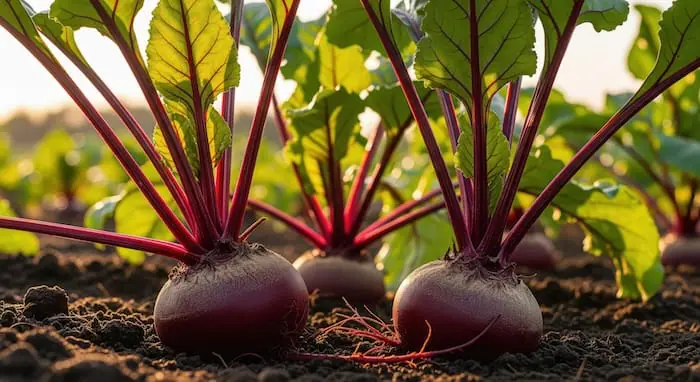
Is it okay to grow different root vegetables together, and what actually counts as a root veggie anyway?
The quiet superpower hiding under your soil.
Growing root veggies often feels like a magic trick to me: I don’t see them, then, finally, after they have been growing underground til they are done, I do – magic! Most gardeners get excited about tomatoes and peppers. They’re flashy, and you can see them, so you are sure the magic of soil and sun is working. But if you’re not paying attention to what’s happening underground, you’re missing one of gardening’s best-kept secrets.
Root vegetables are the slow, steady workhorses of the garden. They don’t shout for attention. They just show up. Again and again. Even when the weather turns cranky.
Once you figure out how to grow and store root veggies, you can eat from your garden almost year-round without fancy equipment or heroic effort. I learned that on both a muddy harvest and a super-dry one. I swore both harvests were doomed, but root veggies are surprisingly forgiving.
Let’s dig in.
What exactly counts as a root vegetable?
This question comes up a lot, usually while someone’s standing in the garden, scratching their head and holding a seed packet.
True root vegetables are plants where the edible part grows below ground and stores energy for the plant. Think of them as nature’s pantries.
Common root veggies include:
- Carrots
- Beets
- Radishes
- Turnips
- Parsnips
- Rutabagas
Then you’ve got close cousins that live underground but aren’t technically roots.
Tubers, bulbs, and swollen stems make great companion plants.

- Potatoes are tubers. They’re thickened stems, not roots.
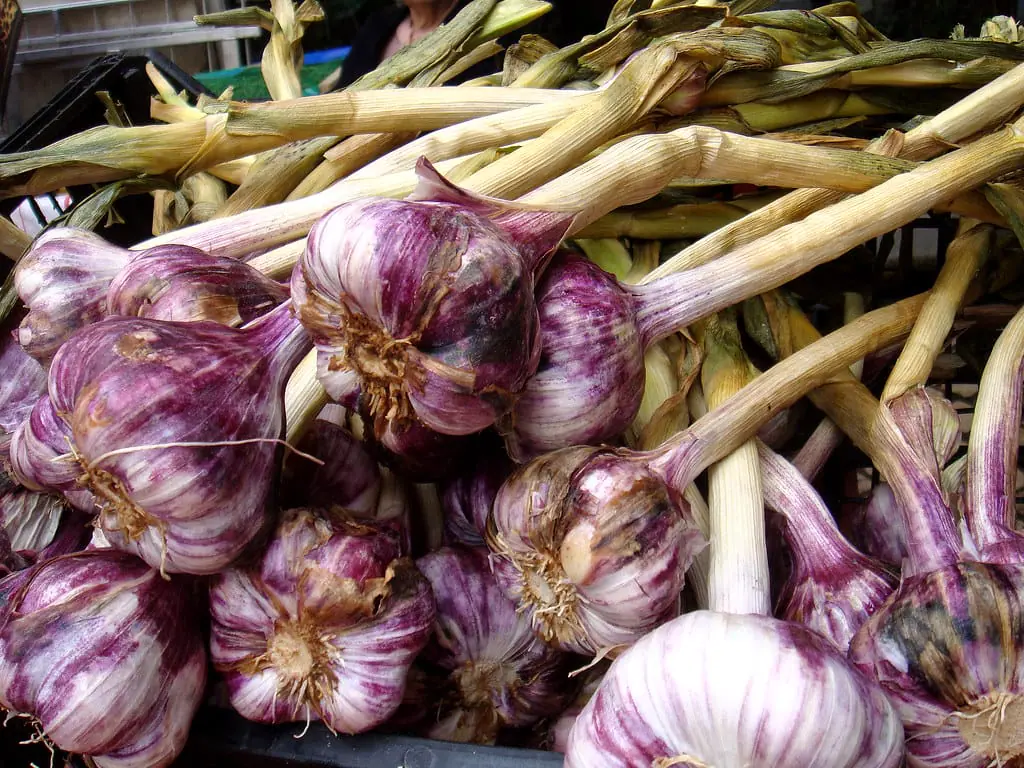
- Onions and garlic are bulbs.
- Celery root (celeriac) is a swollen stem base.
- Fennel forms a bulb above the soil line, though its roots go deep.
From a kitchen-and-garden-planning standpoint, though, I group them together. They behave similarly, store well, and thrive in cool seasons.
So yes. Celery and fennel belong at the root veggie table, even if the botanists want to argue about it.
Can you grow different root veggies in the same raised bed?
Short answer. Yes. And it’s one of the best ways to use space wisely.
Longer answer. You need to think about depth, spacing, and timing.
I’ve grown carrots, beets, radishes, and green onions together in the same raised bed for years. The trick is understanding how each one moves through the soil.
- According to the Center for Agriculture, Food, and the Environment at UMass Amherst, carrots and parsnips develop deep roots, while beets and turnips tend to grow at a mid-level depth.
- Radishes grow quickly and have shallow roots, making them especially convenient for gardeners. They’re like the friendly neighbor who shows up early, eats a snack, and leaves before things get crowded. By the time your carrots need room, the radishes are long gone.
What I avoid is planting root crops that want very different soil conditions together. Potatoes, for example, like more space and hilling. They deserve their own bed or at least their own corner.
Soil matters more than plant combinations.
Loose, deep, stone-free soil makes or breaks root crops. I’ve composted more failed carrot attempts than I care to admit before learning that lesson.
Raised beds shine here. You control the soil. You build it slowly. You don’t rush it.
Healthy soil lets different root veggies coexist peacefully. Compact soil turns them all grumpy.
Can root vegetables be grown year-round?
This is where things get fun.
In many parts of the U.S., yes. You can grow or harvest root vegetables almost year-round with a little planning.
Cool-season champs
Most root veggies actually prefer cool weather.
- Spring planting gives you early harvests.
- Fall planting sets you up for winter eating.
In mild climates, carrots, beets, turnips, and radishes can grow straight through winter. In colder areas, they don’t always grow, but they hold beautifully in the ground under mulch.
I’ve harvested carrots in January that tasted sweeter than anything from the grocery store. Cold converts starches to sugars. Nature knows what it’s doing.
Season extenders help, but they’re optional.
Cold frames, low tunnels, and row cover help a lot. But even without them, heavy mulch does wonders.
I don’t cut corners here. I experiment, observe, and adapt. Some winters surprise me. Some humble me. Both teach me something.
How long do root veggies store?
This is why I love them so much.
Stored properly, many root vegetables last months.
- Carrots: several months in a fridge or root cellar
- Beets: 2 to 4 months
- Turnips and rutabagas: up to 6 months
- Potatoes: 3 to 6 months in cool, dark conditions
According to USDA and university extension research, cool temperatures, high humidity, and darkness slow spoilage and preserve nutrients. That lines up perfectly with old-school root cellar wisdom.
Even without a cellar, a fridge drawer or an unheated basement can work.
Can root vegetables be dehydrated?
Absolutely. And it’s easier than most people think.

Dehydrating works well for:
- Carrots
- Beets
- Celery
- Potatoes
- Turnips
Slice them thin. Blanch briefly. Dry until brittle.
Dehydrated root veggies are great for soups, stews, and quick weeknight meals. I toss handfuls into winter soups and feel my smug little smile draw up about it every time.
They don’t replace fresh eating. But they extend the harvest in a very practical way.
What about canning root vegetables?
Some root vegetables can be canned safely, but this is one area where rules matter.
Low-acid foods like carrots, beets, and potatoes must be pressure-canned to be safe. Water bath canning isn’t enough.
University extension programs and the USDA are very clear on this. Follow tested recipes. No improvising here.
Personally, I pressure can a small amount and freeze or store the rest. It spreads out the work and keeps options open.
How about freezing veggies to store them?
Before I freeze veggies or anything, I try to get all the air out of my container. If this method of preserving food appeals to you, I recommend purchasing a really high-quality vacuum sealer machine.

Are celery and fennel good storage crops?
Celery is a bit fussy, but yes.
- According to the USDA Agricultural Research Service, celeriac (celery root) can be stored for several months with proper handling. Stalk celery may also be blanched and preserved by freezing or dehydrating. While fennel bulbs are best for short-term storage, they can be frozen once sliced. Additionally, letting some fennel plants flower provides resources for pollinators.
- . Gardening can be about something bigger than your dinner plate, and this is one of those quiet ways it shows up.
Why root veggies bring peace to a garden
There’s something grounding about pulling food from the soil when everything else feels rushed.
Root vegetables teach patience. You don’t see much happening for weeks. Then one day, you pull back the soil, and there it is. Solid. Nourishing. Reliable.
That’s why I keep planting them. Year after year. Raised beds, containers, and experiments that sometimes fail.
Gardening isn’t just about growing food. It’s about building calm, resilient spaces that feed both body and mind.
And root veggies do that better than most.
Frequently Asked Questions About Root Vegetables
What vegetables are considered root vegetables?
True root vegetables include carrots, beets, radishes, parsnips, and turnips. Tubers like potatoes and bulbs like onions are often grouped with them for growing and storage purposes.
Can I grow multiple root vegetables in one raised bed?
Yes. As long as the soil is loose and deep, many root vegetables grow well together. Mix shallow and deep growers and pay attention to spacing.
Are celery and fennel root vegetables?
They aren’t true roots, but celery root and fennel bulbs behave like root vegetables in the garden and kitchen. They store well and grow best in cool seasons.
Can root vegetables grow all year?
In many climates, root vegetables can be grown or at least harvested year-round. Mulch and simple season protection significantly extend harvests.
Can root vegetables be dehydrated or canned?
Many root vegetables dehydrate very well. Low-acid root vegetables can be safely pressure canned according to USDA and university extension guidelines.
Share this post
Table of Contents
- The quiet superpower hiding under your soil.
- What exactly counts as a root vegetable?
- Tubers, bulbs, and swollen stems make great companion plants.
- Can you grow different root veggies in the same raised bed?
- Soil matters more than plant combinations.
- Can root vegetables be grown year-round?
- Cool-season champs
- Season extenders help, but they’re optional.
- How long do root veggies store?
- Can root vegetables be dehydrated?
- What about canning root vegetables?
- How about freezing veggies to store them?
- Are celery and fennel good storage crops?
- Why root veggies bring peace to a garden
- Frequently Asked Questions About Root Vegetables
- What vegetables are considered root vegetables?
- Can I grow multiple root vegetables in one raised bed?
- Are celery and fennel root vegetables?
- Can root vegetables grow all year?
- Can root vegetables be dehydrated or canned?

Nicole Stark
Nicole started The Bright Garden after years of hands-on learning in her own backyard, where she fell in love with healthy soil, native plants, and gardening the natural way. She shares honest, experience-based tips and enjoys time outdoors — gardening, fishing, and slow living with family. Gardening style: Organic, a little wild, always evolving. Current favorites: Worm bins, pollinator plants, backyard dinners.
All categories

Backyard Bliss
Bad Bugs
Birds & Bees
Composting
Conservation
Container Gardening
DIY Projects
Eco Systems
Farm To Table
Fertilizing & Nutrition
Flowers
Fruit
Fungi
Garden Decor
Garden Design
Gardening for Beginners
Good Bugs
Growing Seasons & Zones
Guides
Hardscape
Herbs
How To's
Hydroponics
In The Garden
Lawn & Grasses
Organic Gardening
Outdoor Living
Palms And Cycads
Pests & Diseases
Planting
Ponds & Water Features
Pruning
Raised Bed Garden
Recipes
Seeds
Soil
Trees & Shrubs
Vegetables
Watering
Weeds
Worms
More From The Garden




Disclosure: This post may contain affiliate links. That means if you click and buy, The Bright Garden may earn a small commission, at no extra cost to you. We only recommend products we’ve vetted and believe will benefit our readers.