
Beach Gardening Tips And Soil Balance For When You Live Near the Ocean.
 Written by
Soil & Compost
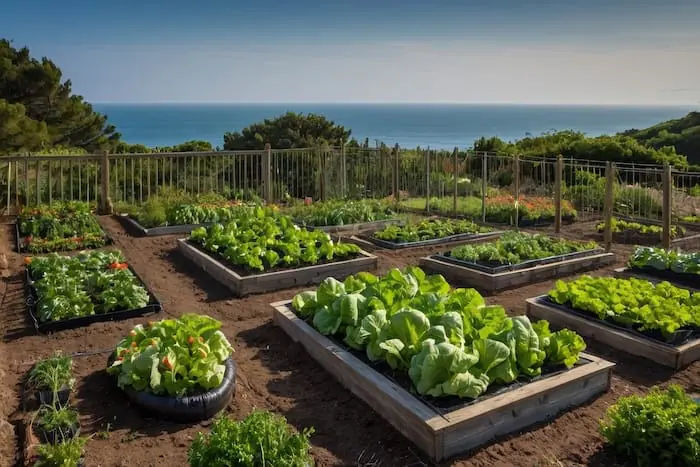
Gardening by the Beach: The Tricks That Make Coastal Gardens Thrive
Here’s something most people living near the ocean and attempting beach gardening don’t realize until a few plants struggle. Coastal gardens have a secret personality. The salty breeze, sandy soil, and constant sunlight change the rules a bit. But once you understand those rules, gardening near the beach can be one of the most rewarding places to grow.
In fact, there’s a little trick coastal gardeners eventually discover. The ocean may bring salt and wind, but it also brings mild temperatures, longer growing seasons, and soil that can be shaped into something incredibly productive with a little help. Once you learn to work with the conditions rather than fight them, your garden starts to feel less like a challenge and more like a seaside partnership.
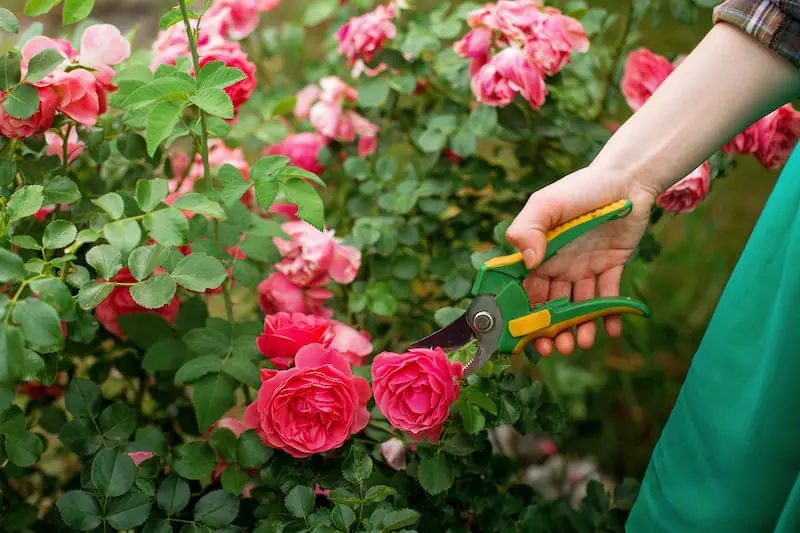
And the good news is this. Roses are not the only plant that can handle the salty air.
With the right soil habits and the right plant choices, a coastal garden can grow vegetables, herbs, flowers, and even small fruit trees. It just takes a bit of understanding and a willingness to experiment. Something every gardener eventually gets good at anyway.
Why Gardening Near the Ocean Is a Little Different
The biggest difference between inland gardening and coastal gardening comes down to three things. Salt, wind, and sandy soil.
Ocean air carries microscopic salt particles. They settle on leaves, work their way into the soil, and sometimes stress plants that aren’t built for it. Wind can also dry plants out faster than expected. And sandy soils tend to drain quickly, which means nutrients and water slip away faster than gardeners might like.
When I first started learning about coastal soil, I realized something that surprised me. The soil near beaches is often not poor soil. It is simply incomplete soil.
Sand by itself drains beautifully but lacks the organic matter that holds moisture and nutrients. Once compost, mulch, and organic materials are added regularly, sandy soil begins to behave more like a sponge than a sieve.
The University of California Cooperative Extension explains that adding organic matter is one of the best ways to improve sandy soils because it increases water retention and nutrient availability. That simple habit alone can transform a beachside garden.
(Source: University of California Agriculture and Natural Resources – ucanr.edu)
Fixing Coastal Soil So Plants Actually Thrive
The first thing I always suggest for coastal gardeners is simple. Feed the soil before you feed the plants.
Compost becomes your best friend near the ocean. Every season, adding layers of compost, aged manure, leaf mold, or even shredded leaves helps build structure in sandy soil.
Mulch matters too. A thick layer of mulch protects the soil from salty winds and helps keep moisture where plants can reach it.
While I do not live right at the beach, my mother does, and she would struggle with her deck garden until we started to really pay attention to the soil. Early on, she planted straight into sandy soil and wondered why everything looked a little tired by mid-summer. Once we started testing the soil, we approached building the soil like a baker makes pie crust, mixing ingredients slowly and adjusting as we went. The difference was dramatic.
Raised beds can also help coastal gardeners by allowing them to more easily control soil quality.
And here’s a helpful habit many coastal gardeners adopt. Rinse plants occasionally with fresh water if heavy salt spray builds up on the leaves, but avoid letting that salty water saturate the soil. The U.S. Department of Agriculture notes that salt accumulation on plant surfaces can damage sensitive plants, and occasional rinsing can reduce that stress.
(Source: USDA Natural Resources Conservation Service – nrcs.usda.gov)
How Do You Block Coastal Wind Without Blocking the View?

Anyone lucky enough to garden near the ocean usually has one thing they do not want to lose. The view.
That is the tricky balance with coastal gardens. Plants need protection from the wind, but nobody wants to build a solid wall that turns a beautiful ocean horizon into a backyard barricade.
The good news is that wind rarely needs to be stopped completely. It just needs to be slowed down.
Solid fences actually make wind problems worse because the air crashes into them, then curls over the top and slams down on the garden behind it. A better solution is a barrier that filters wind while allowing sunlight and sightlines to pass through.
A few simple approaches work beautifully for this.
Garden lattice or trellis panels
Wood lattice panels, decorative trellises, or even open-style fencing can soften strong gusts without blocking sunlight or your view of the water. Because they have gaps, wind moves through them instead of piling up against them. Many gardeners place them where the prevailing wind hits first, giving delicate plants a calmer space behind them. But for some homeowners, this is still too much blocking for their view, unless they can be stacked to the side on windless days.
Vertical shade cloth screens
Stretching a light shade cloth between posts can reduce wind while still letting sunlight through. The fabric diffuses the wind instead of stopping it. If you choose a lighter cloth, you can still see through it well enough to keep that ocean view intact. You can also option to roll the cloth up when the wind dies down.
Living windbreaks that stay low
Plants can protect plants. Rosemary, lavender, and ornamental grasses create a soft living barrier that slows wind near the ground without growing tall enough to block the scenery. Over time, they form a natural cushion that protects vegetables and flowers tucked behind them.
Slatted fencing
Fences built with small gaps between boards allow air to slip through instead of slamming into a solid wall. This type of fence dramatically slows the wind while still letting light pass through.
The idea is simple. Think of it like spreading your fingers into a fast stream of water. When your hand is flat, the water hits hard. When your fingers are slightly open, the water flows through and the pressure drops.
Wind works the same way.
How to Rinse Salt Off Plants Without Salting the Soil
Salt spray can build up on leaves, especially after windy days. If you have ever brushed your hand across a coastal plant and felt that faint, gritty film, that is ocean salt settling in.
Rinsing plants occasionally with fresh water helps wash away that salt. But many gardeners wonder what happens next. Does that salty rinse water soak back into the soil?
Usually, a light rinse does not cause problems because irrigation and rain dilute the salt. Still, if you live very close to the shoreline, it helps to rinse plants to prevent excess salt from building up around the roots. A few easy habits make a difference.
Use a gentle upward spray.
Instead of blasting the plant from above, spray water upward so it falls over the leaves like rain. This washes salt off the foliage while minimizing runoff directly into the soil.
Lay a tarp over the soil temporarily.
If you want to be extra careful, lay a tarp or plastic sheet over the soil before rinsing the leaves. The rinse water runs off the tarp and away from the planting bed rather than soaking into the root zone. This trick works especially well for raised beds and container gardens.
Rinse in the morning.
Morning rinsing allows the leaves to dry quickly in the sunlight, reducing the risk of mildew or fungal problems.
Use drip irrigation for regular watering.
Drip systems water the soil directly at the roots, which helps avoid salt buildup on the leaves in the first place.
In nature, heavy rainstorms regularly flush salts deeper through the soil profile. Occasional rinsing can mimic that natural process and help keep coastal plants healthier.
Vegetables That Actually Like Coastal Conditions
Now for the edible garden. The vegetables.
Many veggies, fruits, and herbs grow surprisingly well near the ocean once the soil is improved and wind exposure is managed. Some reliable coastal vegetables include:
Leafy Greens
Lettuce, kale, Swiss chard, and spinach tend to appreciate the cooler coastal temperatures. They grow steadily without bolting as quickly as they might inland.
Carrots, radishes, and beets grow beautifully in sandy soils. In fact, sand helps roots develop straight and smooth instead of twisted.
Brassicas
Broccoli, cauliflower, and cabbage often do very well near the coast because they prefer moderate temperatures.
Beans
Bush and pole beans handle mild coastal conditions well and add nitrogen back to the soil.
Tomatoes can also grow near the ocean, although they appreciate some wind protection. A simple trellis, fence, or hedge can make a big difference.
Herbs and Plants That Laugh at Salty Air

Some plants practically shrug off salty breezes. Many Mediterranean herbs evolved in coastal climates, so they settle in comfortably. Reliable coastal herbs include:
Rosemary
Thyme
Oregano
Sage
Lavender
Rosemary in particular almost seems built for seaside gardens. It loves good drainage and tolerates wind better than many delicate herbs. I have seen rosemary hedges thriving just a few blocks from the shoreline, growing into fragrant green walls that hum with bees all summer.
And here is a bonus. Many of these herbs are drought-tolerant once established, which means less watering over time. The woodier the stems, the more sturdy they are to fend off the elements of the coast.
Fruit and Flowering Plants for Coastal Gardens

If you want a little color or something sweet to harvest, coastal gardens offer plenty of choices. Some plants that handle salty air well include:
Strawberries
Fig trees
Olive trees
Succulents
Geraniums and Hydrangea
California poppies
Nasturtiums and Lavender
Strawberries are one of my favorites for coastal growing. They stay low to the ground, appreciate mild temperatures, and make a beautiful edible border along pathways.
Figs also do surprisingly well near the coast because they tolerate dry conditions and sandy soils once established.
And if you want flowers with a bit of personality, nasturtiums grow like cheerful little rebels. Their leaves and flowers are edible, and they seem to enjoy coastal gardens as much as gardeners do.
What Plants Should You Probably Skip Near the Ocean?
Here’s a quiet truth many coastal gardeners eventually learn. Some plants simply do not enjoy seaside living. The salty air, steady wind, and sandy soil create a beautiful environment for many plants, but a few will struggle no matter how much care you give them.
I learned this lesson through trial and error. Every gardener does. You plant something hopeful, watch it for a season, and slowly realize the plant looks about as happy as a cat in a bathtub.
That doesn’t mean these plants are impossible near the coast. It just means they often require more protection, richer soil, or constant attention than most backyard gardeners want to manage.
Here are a few plants that commonly struggle in salty coastal conditions.
Azaleas and Rhododendrons
These shrubs are famous for their beautiful spring flowers, but they are particular about soil conditions. They prefer acidic soil rich in organic matter and protection from drying winds.
Sandy coastal soil drains too quickly for them unless it is heavily improved with compost and mulch.
Japanese Maples
Japanese maples are delicate trees with fine leaves that catch the wind easily. Near the ocean, those leaves can dry out or shred during strong breezes.
If you truly love them, they often do better planted in a sheltered courtyard or patio garden rather than out in the open coastal wind.
Blueberries
Blueberries can grow near the coast, but they usually require raised beds or large containers filled with acidic soil. Between salt exposure and sandy soil, keeping them happy directly in the ground can take extra effort.
Tender Annual Flowers
Some soft annual flowers struggle with salty breezes and steady wind. Plants like impatiens, begonias, and petunias often look worn down after a few weeks of coastal weather.
Hardier flowers such as nasturtiums, geraniums, and California poppies usually hold up much better.
A Gardener’s Little Reality Check
Here’s the encouraging part. Every coastal garden still has plenty of options.
Mediterranean herbs, succulents, strawberries, figs, olives, and many native plants thrive in salty air once the soil is improved. They seem perfectly comfortable with the sunshine, wind, and mild temperatures that come with seaside living.
Over time most gardeners figure out the trick. Instead of fighting the ocean climate, they start choosing plants that already feel at home there.
And when that happens, the garden starts growing with you instead of against you.
A Lesser-Known Advantage of Coastal Gardening
Here’s the part many inland gardeners envy.
Coastal climates often avoid the extreme temperature swings that stress plants. Summers stay cooler, winters stay milder, and frost is less common in many seaside areas. That longer growing season means gardeners can often grow vegetables earlier in spring and later into fall.
The National Oceanic and Atmospheric Administration notes that coastal regions often experience moderated temperatures due to the ocean’s influence on climate patterns.
(Source: NOAA – noaa.gov)
Once gardeners learn how to build soil and choose plants that tolerate wind and salt, coastal gardens can become incredibly productive. And honestly, there is something peaceful about harvesting herbs while hearing the ocean in the distance.
Frequently Asked Questions About Coastal Gardening
Coastal gardens can be productive and beautiful, but they do come with a few extra challenges like wind, sandy soil, and salt exposure. These common questions cover the basics.
What vegetables grow best near the ocean?
Leafy greens, root vegetables, beans, and brassicas like broccoli and cabbage often perform well in coastal gardens because they prefer moderate temperatures and usually handle wind better than heat-sensitive crops.
How do I improve sandy coastal soil?
Add compost regularly. Organic matter helps sandy soil hold moisture and nutrients. A layer of mulch also helps protect the soil from wind and slows water loss.
Does salt air kill plants?
Salt air can damage sensitive plants, especially if salt builds up on the leaves. Choosing salt-tolerant plants and occasionally rinsing foliage with fresh water can help reduce stress.
Can you grow tomatoes near the beach?
Yes. Tomatoes can grow near the coast if the soil is improved and the plants are protected from strong winds with fences, trellises, or hedges.
The Secret Most Coastal Gardeners Learn
After a few seasons of gardening near the ocean, most people discover something simple but powerful.
The beach doesn’t limit gardening. It just asks you to garden a little differently.
Feed the soil generously. Choose plants that appreciate the climate. Give them a little shelter from strong winds.
Do that, and the salty breeze that once felt like a gardening obstacle starts to feel like part of the charm.
And the next thing you know, you’re picking strawberries, trimming rosemary, and realizing your garden might be the best seat in the neighborhood.
Sometimes with the sound of waves in the background.
Share this post
Table of Contents
- Gardening by the Beach: The Tricks That Make Coastal Gardens Thrive
- Why Gardening Near the Ocean Is a Little Different
- Fixing Coastal Soil So Plants Actually Thrive
- How Do You Block Coastal Wind Without Blocking the View?
- How to Rinse Salt Off Plants Without Salting the Soil
- Vegetables That Actually Like Coastal Conditions
- Herbs and Plants That Laugh at Salty Air
- Fruit and Flowering Plants for Coastal Gardens
- What Plants Should You Probably Skip Near the Ocean?
- Azaleas and Rhododendrons
- Japanese Maples
- Blueberries
- Tender Annual Flowers
- A Gardener’s Little Reality Check
- A Lesser-Known Advantage of Coastal Gardening
- Frequently Asked Questions About Coastal Gardening
- The Secret Most Coastal Gardeners Learn
About the Author

Nicole Stark
Nicole started The Bright Garden after years of hands-on learning in her own backyard, where she fell in love with healthy soil, native plants, and gardening the natural way. She shares honest, experience-based tips and enjoys time outdoors — gardening, fishing, and slow living with family. Gardening style: Organic, a little wild, always evolving. Current favorites: Worm bins, pollinator plants, backyard dinners.
Interactive Guides



All categories
More From The Garden



Disclosure: This post may contain affiliate links. That means if you click and buy, The Bright Garden may earn a small commission, at no extra cost to you. We only recommend products we’ve vetted and believe will benefit our readers.