
Plant Propagation for Beginners: How to Multiply Your Plants
 Written by
Organic Gardening
The Quiet Garden Trick That Lets One Plant Become a Whole Garden
Propagation is one of the most useful gardening skills a person can learn because it allows a single plant to become many. Many gardeners eventually discover that once they understand propagation, their garden begins to expand in ways they never expected. That lone tomato plant, rosemary bush, or fig tree stops feeling like a single plant and starts looking more like a starting point for future plants. In many ways, learning propagation feels like realizing you’ve had a tiny plant factory growing quietly in the yard all along.
Propagation simply means creating new plants from ones you already have. While many people think first of planting seeds, propagation also includes methods like taking cuttings, layering stems, and dividing mature plants. These techniques allow gardeners to multiply plants without needing to buy new ones. The first time these methods work, they can feel a little like garden magic.
My own understanding of propagation began with a simple experiment. One afternoon, I placed a rosemary cutting in a jar of water, mostly out of curiosity. Weeks later, tiny white roots began forming along the stem, almost like threads. That moment changed how I looked at gardening, showing me that growing plants isn’t just about planting seeds. It’s also about helping life continue and multiply.
The encouraging part is that propagation is a skill almost anyone can learn. With a little patience and observation, even beginner gardeners can turn one plant into several. Once people realize how approachable it is, propagation often becomes one of the most rewarding parts of gardening.
What Propagation Really Means (Without the Science Textbook)
At its heart, propagation is simply helping a plant reproduce. Propagation is the process of creating new plants. Gardeners do this using seeds or parts of existing plants such as stems, leaves, or roots.

Plants do this in two main ways:
Sexual propagation
This is the seed route. A flower gets pollinated and produces seeds that grow into new plants.
Asexual propagation
This is where things get fun. Instead of seeds, gardeners create new plants from stems, roots, or leaves of an existing plant.
The new plant becomes a genetic copy of the parent. Same flavor. Same flowers. Same growth habit.
That’s why your grandmother’s rose bush can live on in dozens of gardens. Someone simply took a cutting.
According to horticulture research from the University of California Agriculture and Natural Resources, many garden plants root readily from cuttings because plant cells can transform into root tissue when given the right conditions. In other words, plants are surprisingly flexible when it comes to growing new parts of themselves.
Nature built them that way.
Why Propagation Is Worth Learning
If you spend enough time gardening, propagation becomes less of a technique and more of a habit.
Here’s why so many gardeners swear by it.
You save money.
Plants aren’t cheap anymore. Propagation lets you turn one $5 plant into ten.
You preserve great plants.
If you grow an incredible tomato or basil variety, cuttings or seeds keep that exact plant going.
You build confidence.
There’s something deeply satisfying about rooting a plant yourself. It’s the gardening version of baking bread from scratch.
You create more life around your home.
Extra plants can fill empty corners, be shared with neighbors, or expand your garden naturally.
Gardening has been booming in recent years as more people reconnect with growing food and creating peaceful outdoor spaces. Propagation fits perfectly into that mindset. It’s simple, sustainable, and a little addictive once you start.
The Most Common Ways Gardeners Propagate Plants

You don’t need fancy equipment for most propagation methods. A few containers, good soil, and patience go a long way.
Let’s walk through the main ones.
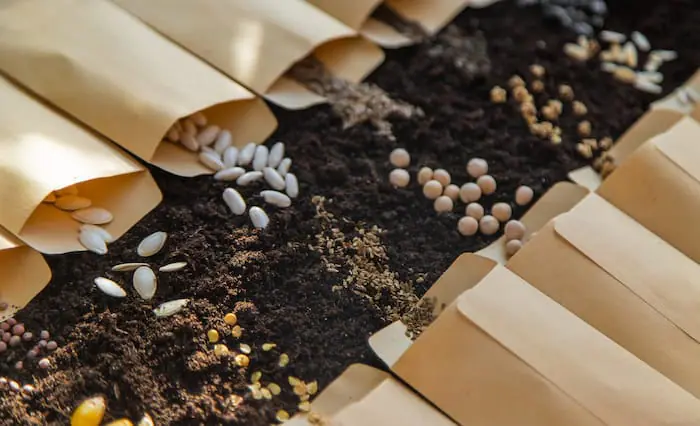
Growing From Seeds
Seeds are the original propagation method.
Vegetables, herbs, and many flowers grow easily this way. Tomatoes, peppers, lettuce, and zinnias are all reliable starters.
Seeds give you genetic variation, which means each plant might grow a little differently. Sometimes that leads to fun surprises.
Other times, it means your tomatoes look nothing like the ones on the seed packet. Gardening keeps you humble.
Taking Cuttings
Cuttings are one of the easiest propagation methods for beginners.
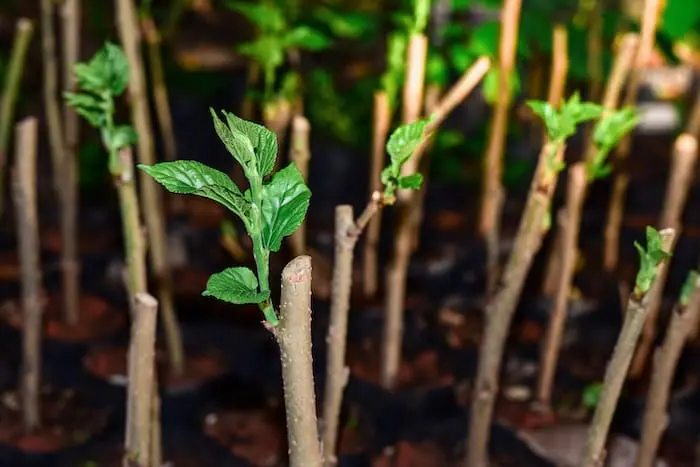
You simply snip a piece of stem from a healthy plant and encourage it to grow roots.
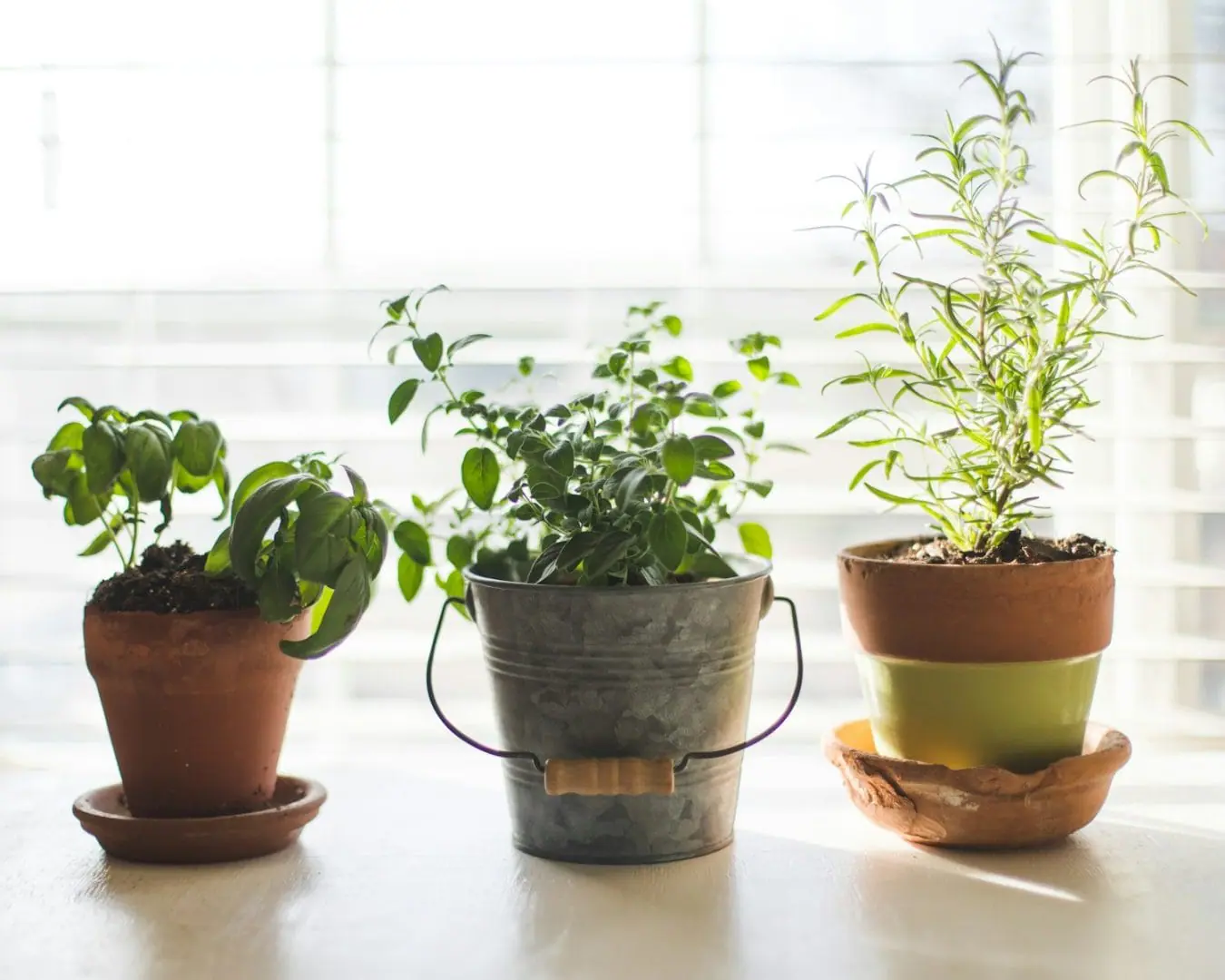
Many herbs root this way effortlessly:
• Basil
• Mint
• Rosemary
• Thyme
Houseplants like pothos and philodendron are also famous for rooting from cuttings. The trick is taking cuttings from fresh growth and keeping them moist while roots develop.
According to the USDA Forest Service, many woody plants and shrubs also root from stem cuttings when humidity and warmth are maintained.
Once you see roots appear, it feels like you’ve cracked a secret code.
Dividing Plants
Some plants grow in clumps and, over time, expand and crowd one another. Division is simply digging them up and separating the clump into smaller plants.
Common candidates include:
• Hostas
• Daylilies
• Ornamental grasses
• Rhubarb
This method is wonderfully straightforward. You dig, split, replant, and suddenly one plant becomes four.
I’ve done this with herbs and perennials in my own garden, especially when beds start looking crowded. Plants often bounce back stronger once they have space again.
Layering
Layering is a simple propagation method in which a stem touches the soil and begins to form roots while it’s still attached to the parent plant. Gardeners sometimes give nature a little nudge by gently pinning a flexible branch down to the soil so it can settle in and start rooting. Plants like blackberries and raspberries are especially good at this trick and often do it all on their own, quietly planting the next generation right beside them. After roots form, you simply snip the stem from the original plant and move the new start wherever you’d like it to grow. It takes a little patience, but it’s about as reliable as gardening gets. You could say the plant is putting down roots before leaving home, a slow and steady way for nature to branch out.
A Few Propagation Lessons I Learned the Hard Way
Propagation sounds easy. And it often is. But plants like to teach patience.
Here are a few lessons most gardeners eventually learn.
Healthy plants make better parents.
Weak plants rarely produce strong cuttings.
Timing matters.
Many plants root best in spring or early summer when growth is active.
Too much water can cause rot.
Moist soil is good. Soggy soil is trouble.
Not everything roots easily.
Some plants cooperate quickly. Others take their sweet time.
Experimentation is part of the process. Over the years, I’ve tried propagation in soil, water jars on kitchen windowsills, hydroponic setups in the garage, and even tucked cuttings under humidity domes just to see what would happen.
Some attempts failed completely, others worked better than expected. That’s gardening.
Propagation Is Really About Hope
When you step back and look at it, propagation is a hopeful act. You’re taking a small piece of life and trusting it will grow into something bigger. It’s the same spirit behind planting trees, saving seeds, or building gardens that support birds and pollinators. Each plant becomes part of a bigger living system.
And once you learn propagation, the garden stops feeling limited. A single plant can become a hedge, a food forest, or a row of herbs shared with neighbors.
Life multiplies.
FAQ: Common Questions About Plant Propagation
What is the easiest plant to propagate for beginners?
Herbs like basil and mint are excellent starting points. They root quickly in water or moist soil, often within a couple of weeks.
Is propagation better than growing from seeds?
When plants grow from seeds, they develop new genetic combinations created through pollination. In contrast, propagation methods such as cuttings, division, or layering produce plants that are genetically identical to the parent plant.
Can all plants be propagated?
Most plants can be propagated in some way, but the method varies. Some grow easily from cuttings, while others are best grown from seeds or division.
How long does propagation take?
It depends on the plant and method. Soft herb cuttings may root in 7–14 days, while woody plants can take several weeks or months.
Do you need rooting hormone?
Rooting hormone can help certain plants develop roots faster, but many garden plants root just fine without it.
A Final Thought From the Garden
Propagation has a way of changing how you look at plants.
Instead of seeing a single tomato, rose, or fig tree, you start seeing possibilities. Future plants. Future harvests.
And every once in a while, you’ll look down at a tiny cutting pushing out its first roots and feel that quiet little thrill again.
Life wants to grow.
We just give it a nudge.
Sources
University of California Agriculture and Natural Resources – Plant Propagation Basics
https://ucanr.edu
USDA Forest Service – Vegetative Plant Propagation Research
https://www.fs.usda.gov
North Carolina State University Extension – Plant Propagation Methods
https://content.ces.ncsu.edu
Share this post
Table of Contents
- The Quiet Garden Trick That Lets One Plant Become a Whole Garden
- What Propagation Really Means (Without the Science Textbook)
- Why Propagation Is Worth Learning
- The Most Common Ways Gardeners Propagate Plants
- Growing From Seeds
- Taking Cuttings
- Dividing Plants
- Layering
- A Few Propagation Lessons I Learned the Hard Way
- Propagation Is Really About Hope
- FAQ: Common Questions About Plant Propagation
- What is the easiest plant to propagate for beginners?
- Is propagation better than growing from seeds?
- Can all plants be propagated?
- How long does propagation take?
- Do you need rooting hormone?
- A Final Thought From the Garden
About the Author

Nicole Stark
Nicole started The Bright Garden after years of hands-on learning in her own backyard, where she fell in love with healthy soil, native plants, and gardening the natural way. She shares honest, experience-based tips and enjoys time outdoors — gardening, fishing, and slow living with family. Gardening style: Organic, a little wild, always evolving. Current favorites: Worm bins, pollinator plants, backyard dinners.
Interactive Guides



All categories
More From The Garden


Disclosure: This post may contain affiliate links. That means if you click and buy, The Bright Garden may earn a small commission, at no extra cost to you. We only recommend products we’ve vetted and believe will benefit our readers.