
The Ultimate Gardening Guide by Region and Month
 Written by
Growing Guides Growing Seasons & Zones Seeds
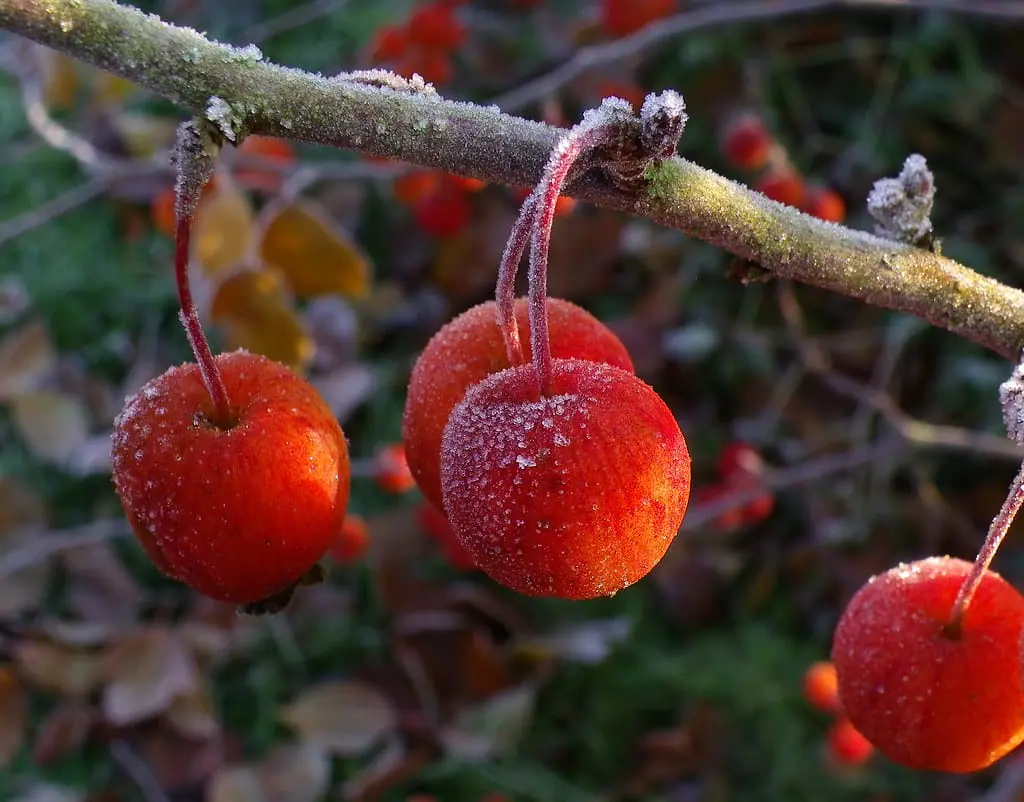
Gardening isn’t just planting seeds and hoping for the best. It’s about paying attention to your corner of the world, learning the quirks of your soil, watching the weather, and adjusting as you go. Over the years, I’ve gotten into the rhythm of the seasons in different parts of the country, and I’ve found that knowing what to do month by month—region by region—makes life a lot easier. I’ve tried to capture the essentials here, mixed with a few lessons I’ve learned the hard way.
Vegetable & Herb Planting Guide
Select your USDA hardiness zone below to see personalized planting dates based on your last expected frost.
Planting Calendar
All 37 crops & herbs — search, filter by sowing method, or sort any column. Select a zone above for calculated planting dates.
| Crop | Sowing Method | Germination | Outdoor Timing | Est. Planting Date | Zones |
|---|
Regional Gardening Tips
Expand your region for month-by-month guidance, soil notes, and pollinator tips.
Climate
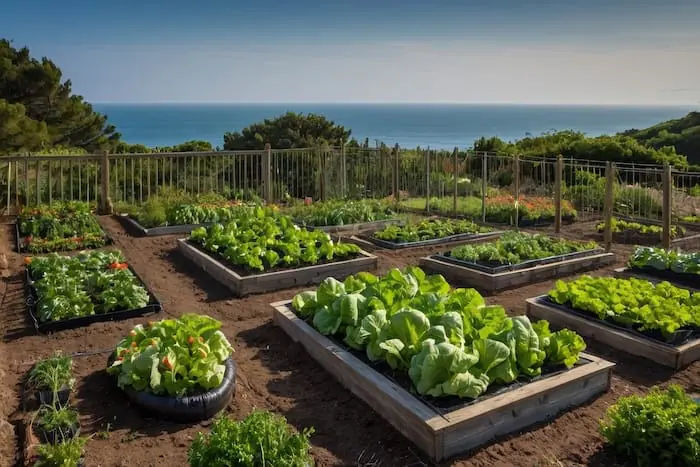
If you’re anywhere near the coast, winters are mild and wet, summers dry and hot—though inland can really crank up the heat. Frost is rare along the shore (Zones 9–10), but inland Zones 5–8 can see late frosts sneak in. Snow is mostly a visitor to higher elevations; along the coast, it’s practically a ghost.
Soil & Amendments
Coastal soil tends to sandy loam—well-drained but hungry for organic matter. Inland clay loam benefits from compost and raised beds to avoid waterlogged roots. Target pH 6.0–7.5. Favorites: Black Kow or Gardener’s Supply compost, Espoma Garden-tone, Dr. Earth Vegetable Fertilizer, Neptune’s Harvest fish emulsion. Mulch with straw, bark, or cocoa hulls to hold moisture and keep weeds down.
Pollinators & Pests
Bees, hummingbirds, and butterflies are active spring through summer. Watch for aphids, whiteflies, slugs, and spider mites. A few companion plants—nasturtium, marigolds, borage, basil—can prevent most headaches. Plant enough basil near your tomatoes and you’ll practically have a pesto factory.
Month by Month
Climate
Winters bite hard and snow can hang around until March. Frost is the rule until May in most areas—patience is key. Summers can swing from warm to blisteringly hot with humidity.
Soil & Amendments
Soil ranges from rich loam to stubborn clay. Raised beds are a lifesaver when clay threatens to waterlog seedlings. Target pH 6.0–7.0. A mix of compost, worm castings, and aged manure does wonders.
Pollinators & Pests
Pollinators arrive April through October. Watch for aphids, cucumber beetles, and Japanese beetles. Marigolds, nasturtium, and borage as companions give you a meaningful head start.
Month by Month
Climate
Winters vary dramatically—northern zones see heavy snow, southern zones barely a frost. Spring frosts linger in the north until late April. Summers are hot and humid, which tomatoes love (your sweat won’t).
Soil & Amendments
Soils range from sandy loam in the south to clay and silt further north. Organic matter is your best friend everywhere. A generous layer of compost each season transforms most East Coast soils over time.
Pollinators & Pests
Pollinators show up spring through fall. Aphids, cucumber beetles, slugs, and Japanese beetles are all part of the local cast. Companion planting remains the most sustainable defense.
Month by Month
Zone 1 — The Absolute Edge
Average minimum temps below -50°F (-45°C). Found in parts of northern Alaska and extreme Arctic regions. Almost nothing grows outdoors year-round except very tough native plants. If you’re gardening here, you’re doing something genuinely remarkable—and you already know it.
Zone 2 — Still No Joke
Minimum temps from -50°F to -40°F (-45°C to -40°C). Found in interior Alaska and the northern reaches of Canada—Yukon, Northwest Territories, and similar regions. Slightly more workable than Zone 1, but the season is short and timing is everything. Miss your window by a week and the frost wins.
How Gardening Works Here
If you’ve ever gardened in milder climates, these zones are a whole different game. Traditional outdoor gardening as most people know it isn’t really the model. Success depends on four things: cold frames, greenhouses, starting seeds well indoors, and choosing only ultra-fast or cold-hardy crops. It’s less about “gardening” in the conventional sense and more about working with a very tight window and protecting plants every step of the way.
What Actually Grows
Zone 1 is mostly limited to native Arctic plants and a handful of ornamentals in protected microclimates. Zone 2 opens things up a bit—the list is short but tougher than you’d expect: radishes, spinach, kale, turnips, lettuce, peas, and some varieties of carrots and beets can all be done with careful timing. Perennials like certain varieties of rhubarb and some native berries are also reliable. Fast-maturing tomato and cucumber varieties can succeed in a greenhouse or cold frame, but outdoor crops are a gamble.
Soil & Season Notes
Permafrost is a real constraint in many Zone 1–2 locations—it limits root depth and drainage significantly. Raised beds filled with amended soil are often the only viable path to a productive garden. The growing season in Zone 2 runs roughly 50–90 days between last and first frost. Every day counts. Starting seeds indoors 6–8 weeks before your last frost date (around June 1–15 for Zone 2) is essentially non-negotiable for anything beyond the fastest-maturing crops.
Month by Month (Zone 2)
Tips That Work Anywhere
Reliable methods that apply across all zones and garden styles.
Natural Pest Control
Neem oil, diatomaceous earth, insecticidal soap, and beneficial insects like ladybugs and lacewings are all effective, low-impact options.
Pollinator Plants
Borage, nasturtium, sunflowers, zinnias, asters, and sedum draw in bees and butterflies. Scatter them throughout beds rather than isolating them.
Soil Builders
Worm castings, compost, leaf mold, and aged manure steadily improve structure and fertility. Even a thin annual application makes a visible difference.
Fertilizer Picks
Black Kow compost, Dr. Earth Vegetable Garden, Espoma Garden-tone, Neptune’s Harvest Fish Emulsion, and Maxicrop Kelp are all solid, garden-tested choices.
Frequently Asked Questions
Practical answers drawn from real garden experience. Filter by topic below.
Share this post
Table of Contents
- Planting Calendar
- Regional Gardening Tips
- Climate
- Soil & Amendments
- Pollinators & Pests
- Month by Month
- Climate
- Soil & Amendments
- Pollinators & Pests
- Month by Month
- Climate
- Soil & Amendments
- Pollinators & Pests
- Month by Month
- Zone 1 — The Absolute Edge
- Zone 2 — Still No Joke
- How Gardening Works Here
- What Actually Grows
- Soil & Season Notes
- Month by Month (Zone 2)
- Tips That Work Anywhere
- Natural Pest Control
- Pollinator Plants
- Soil Builders
- Fertilizer Picks
- Frequently Asked Questions
About the Author

Paul Stark
Paul Stark is one of the gardeners behind The Bright Garden, where he shares hands-on, honest advice for growing with nature. A passionate conservationist, Paul has planted over 100,000 trees in Madagascar to help fight deforestation. He’s also a former marine mammal rescuer. These days, you’ll find him in the garden with dirt under his nails, growing seedlings.
Interactive Guides

All categories
More From The Garden
Disclosure: This post may contain affiliate links. That means if you click and buy, The Bright Garden may earn a small commission, at no extra cost to you. We only recommend products we’ve vetted and believe will benefit our readers.